Our history

90 years
building
the future

Our journey has been marked by courage, evolution and innovation. Each chapter of our story shows how we have grown, expanded our operations in different sectors and crossed borders to get here, as a building materials and sustainable solutions company. Learn about the key milestones that have shaped our trajectory!

1930
1940
1950
1960
1970
1980
1990
2000
2010
2020
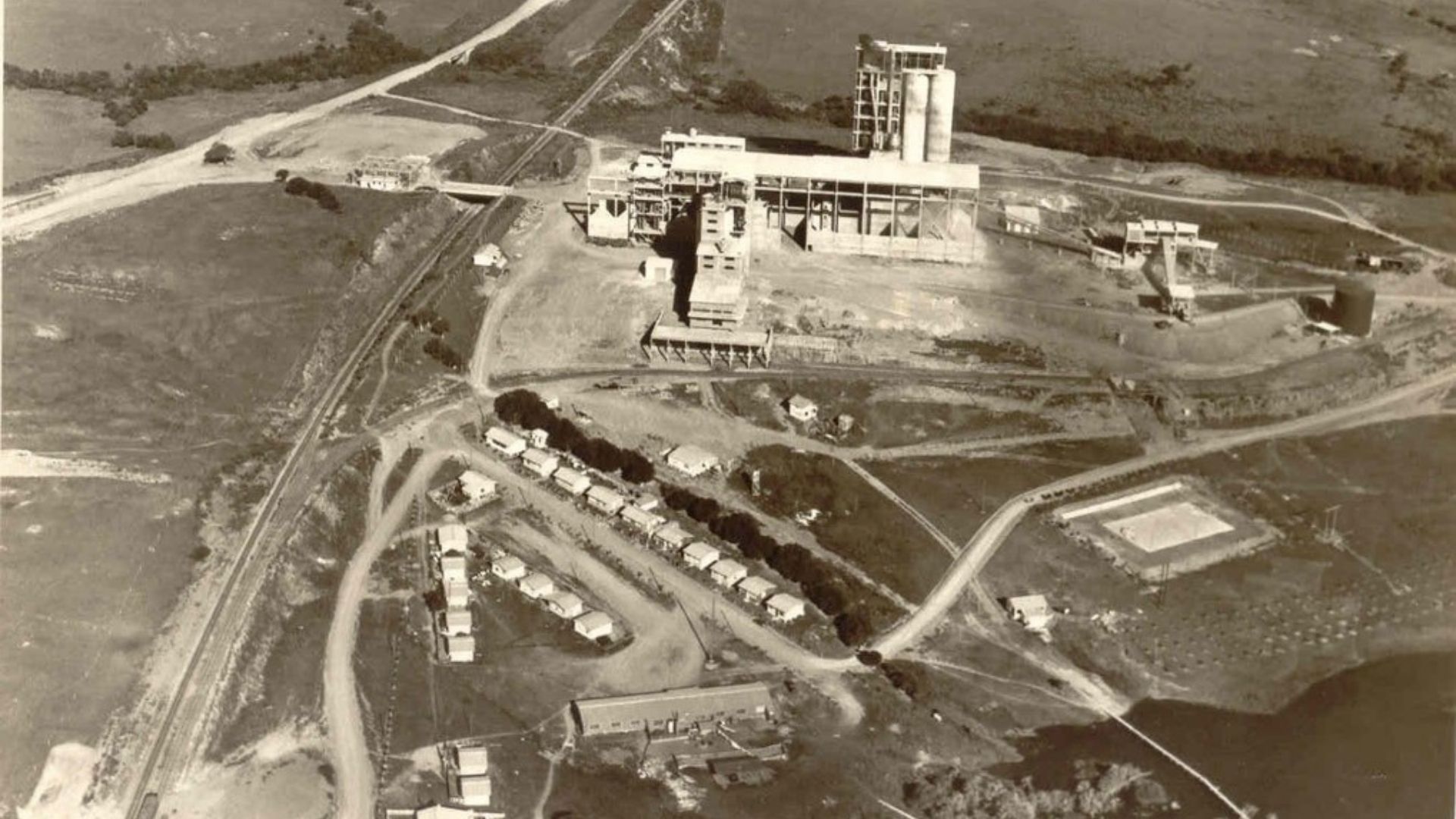
1930
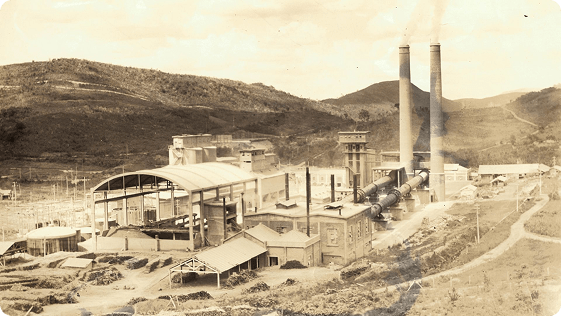
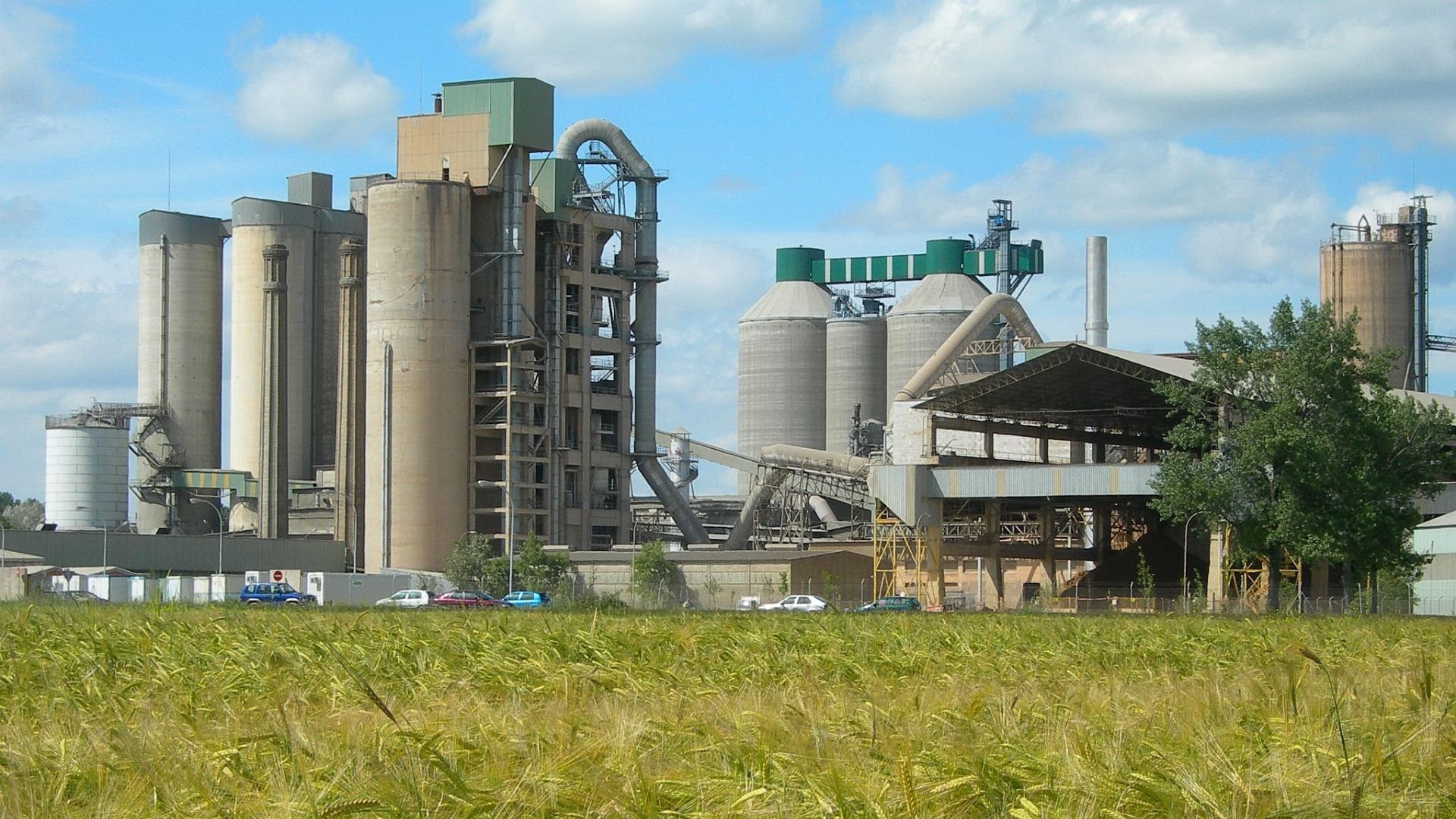
Photo description: Cement plant Santa Helena, in Votorantim, São Paulo, Brazil
1936

Our story begins on January 18, 1936, in the town of Votorantim, in the interior of the state of São Paulo, Brazil, with the start of operations at the Santa Helena cement plant. On that day, the plant’s kiln produced Votoran Cement for the first time. In that year, our average daily production was 250 tonnes. 

Brazil was undergoing a time of industrial growth, but the cement market was dominated by two foreign manufacturers. 

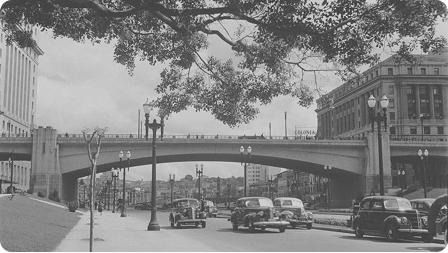
Photo description: Viaduto do Chá, São Paulo, Brazil
1936 a 1938

Our first major project was the renovation of the Viaduto do Chá, a landmark in the city of São Paulo, Brazil. The structure of the original viaduct was made of metal, but a combination of weathering and safety concerns led the local administration to choose to replace it with a new structure made of concrete. Construction began in 1936 and the new viaduct was inaugurated in 1938. One hundred thousand bags of Votoran Cement were used, establishing the quality, reliability and reputation of our brand in one of the main landmarks in the capital of the state of São Paulo.

1940
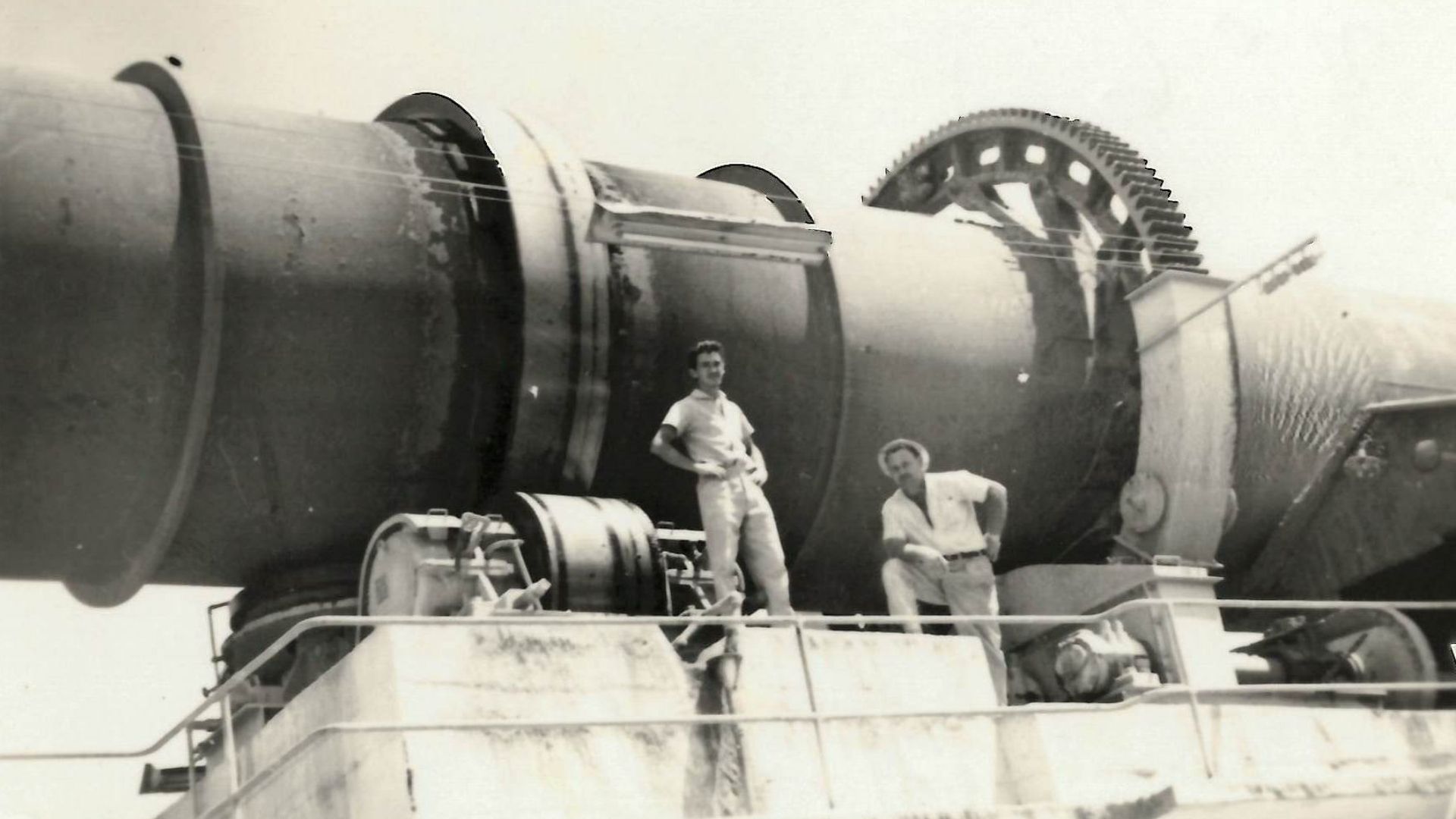
Photo description: Cement plant in Paulista, Pernambuco, Brazil
1942

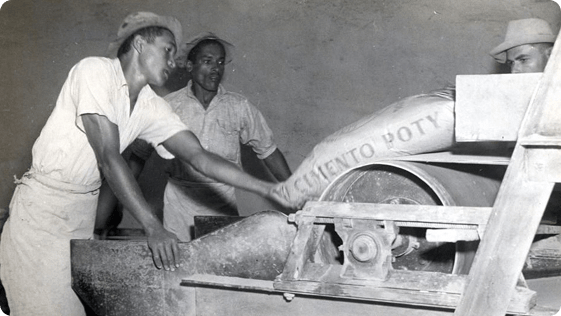
Expansion into Brazil’s Northeast. In March 1942, we inaugurated a cement plan in the town of Paulista, in the state of Pernambuco, Brazil, and introduced our second brand in the country, Poty Cement. The town of Paulista was chosen to house the new plant for strategic reasons, including economic factors such as the scarcity of cement in the region, the presence of high-quality deposits and the urbanization process, in addition to an emotional connection to that land: Senator José Ermírio de Moraes had been born nearby, in the town of Nazaré da Mata. Paulista was the first cement plant in the Brazilian Northeast, with the capacity to produce 6,800 tonnes of cement per year, contributing directly to the development of the state of Pernambuco and the Northeast region.

1950
Photo description: Cement plant in Rio Branco do Sul, Paraná, Brazil
1950

We started producing quicklime and hydrated lime in the town of Itapeva, in the interior of the state of São Paulo, Brazil, through the São Mateus Mining Company. This move was a step toward product diversification, expanding our portfolio beyond cement and supporting the development of the building materials supply chain in Brazil.

We started construction of our cement plant in Rio Branco do Sul, in the state of Paraná, Brazil. The factory is currently the largest cement plant in Latin America.

Photo description: Cement plant in Esteio, Rio Grande do Sul, Brazil
1952

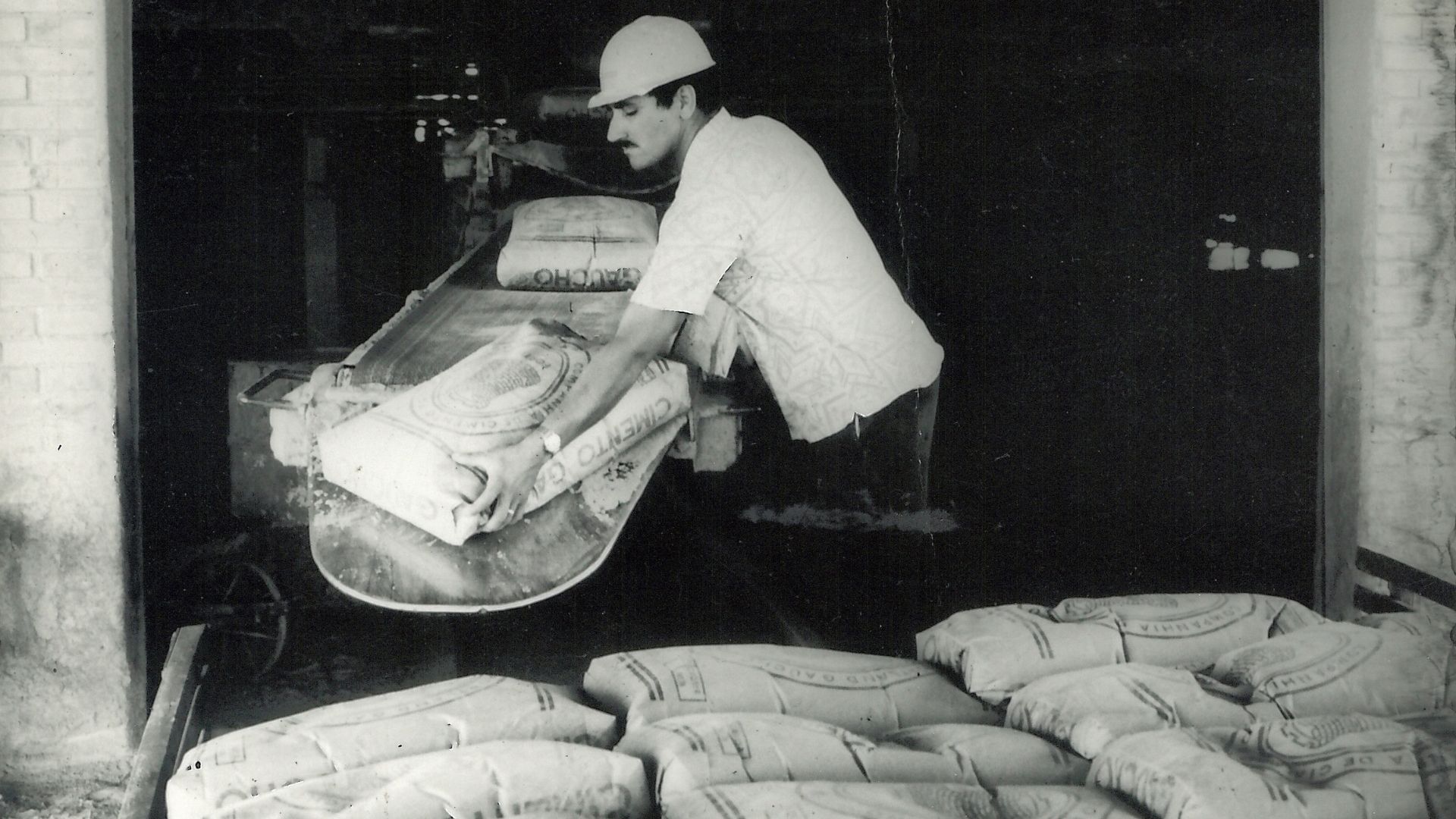
We expanded our participation in the Brazilian market with the acquisition of Companhia de Cimento Portland Gaúcho, which later became our Esteio cement plant, in the state of Rio Grande do Sul.

Brazil was undergoing a time of economic recovery after World War II, and national cement production exceeded 1.5 million tonnes per year. Part of this growth trend, in 1952, we were responsible for 30% of the country’s entire cement production.

Photo description: Cement plant in Itajaí, Santa Catarina, Brazil
1953

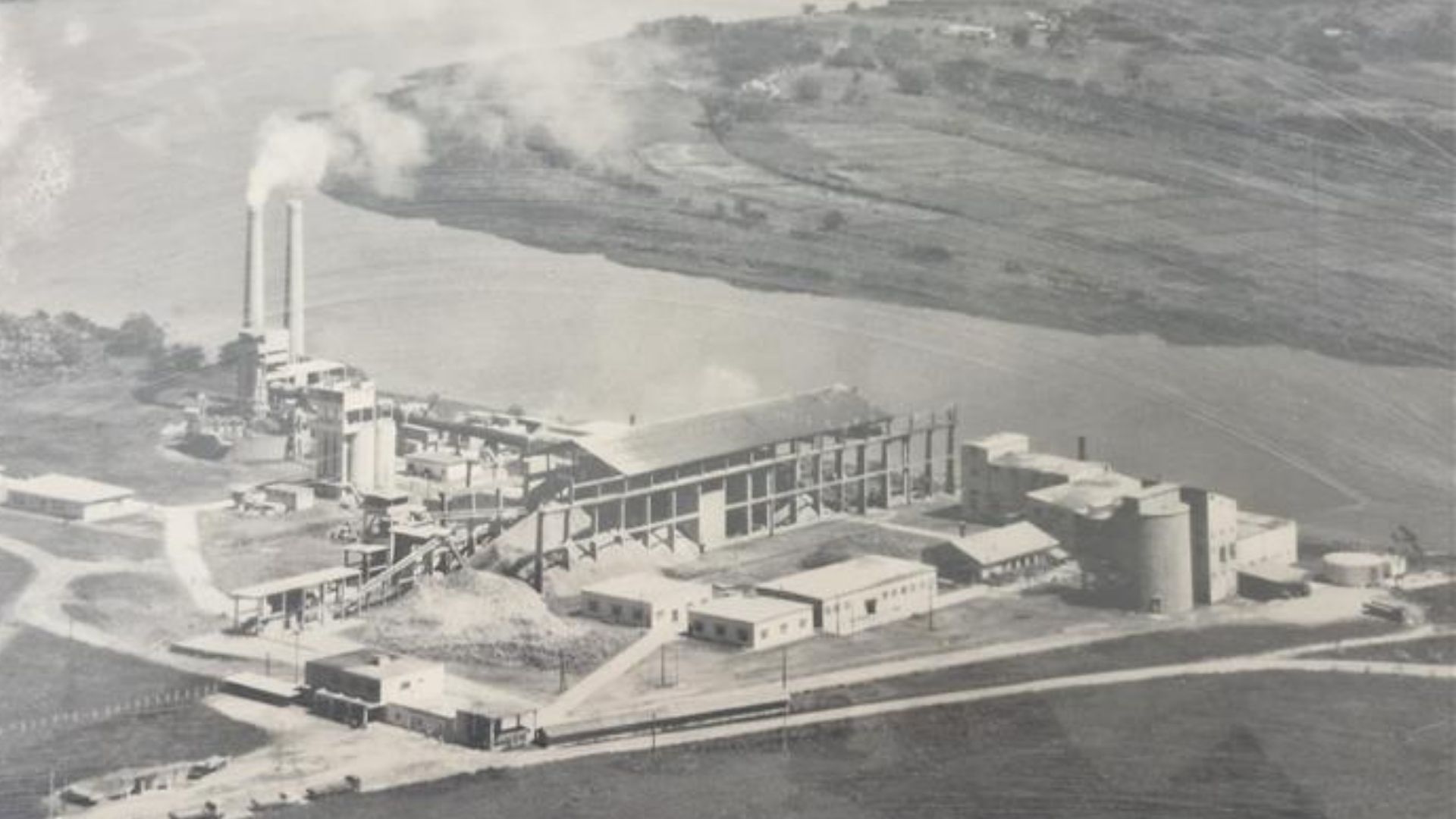
We established our cement plant in Itajaí, in the state of Santa Catarina, Brazil.

1960
Photo description: Cement plant in Sobral, Ceará, Brazil
1968

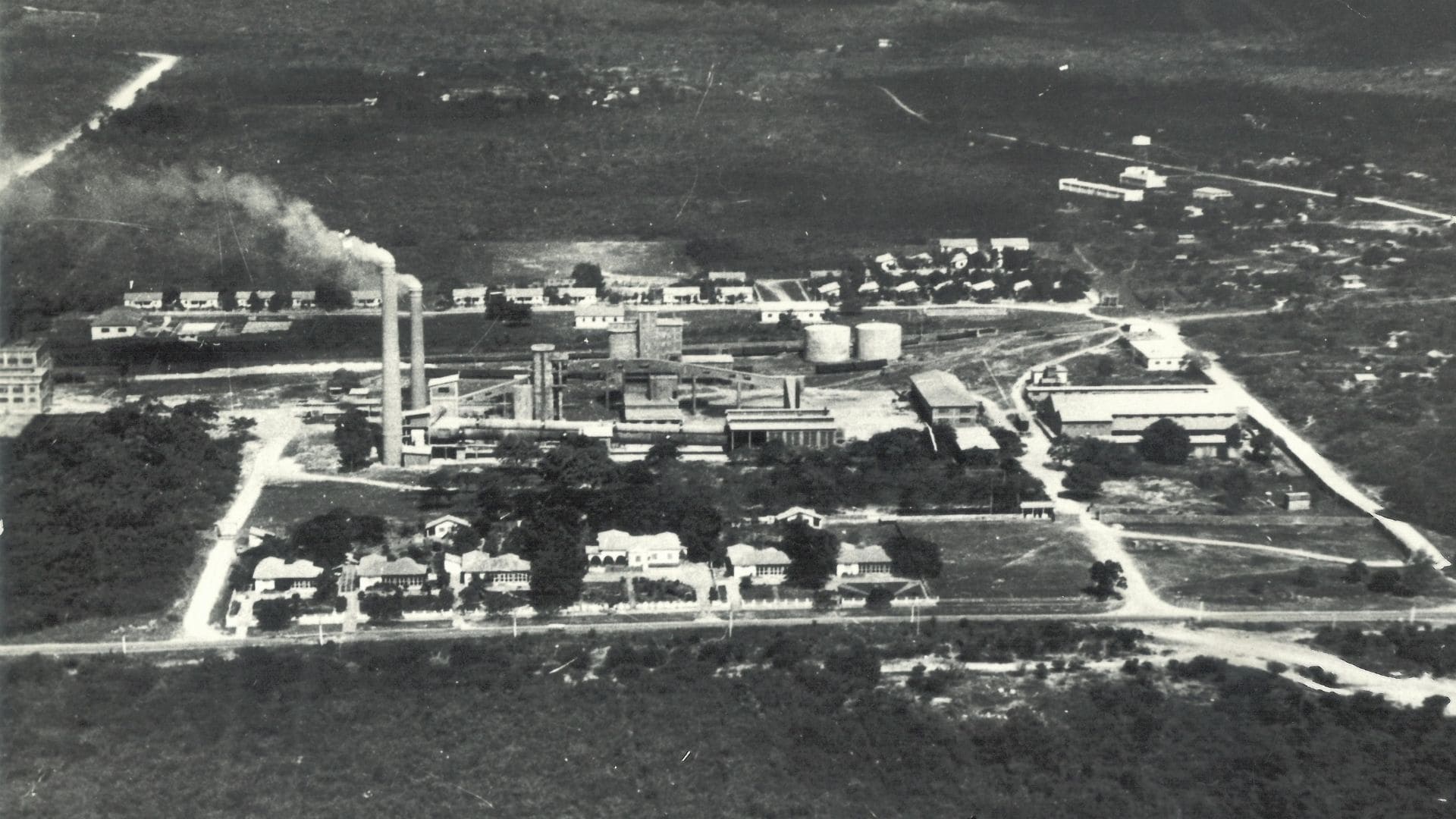
We opened our first cement plant in Sobral, in the state of Ceará, Brazil. 

1970
Photo description: Cement plant in Corumbá, Mato Grosso do Sul, Brazil
1970

The Brazilian market was producing 25 million tonnes of cement per year. With 16 affiliated cement companies and dozens of plants spread across the country, from the states of Rio Grande do Sul to Ceará, we were producing more than 10 million tonnes per year.

Photo description: Cement plant in Pinheiro Machado, Rio Grande do Sul, Brazil
1973

We started operations at our cement plant in Pinheiro Machado, in the state of Rio Grande do Sul, Brazil.

Photo description: Cement plant in Cantagalo, Rio de Janeiro, Brazil
1976

We started operations at our cement plant in Cantagalo, in the state of Rio de Janeiro, Brazil.

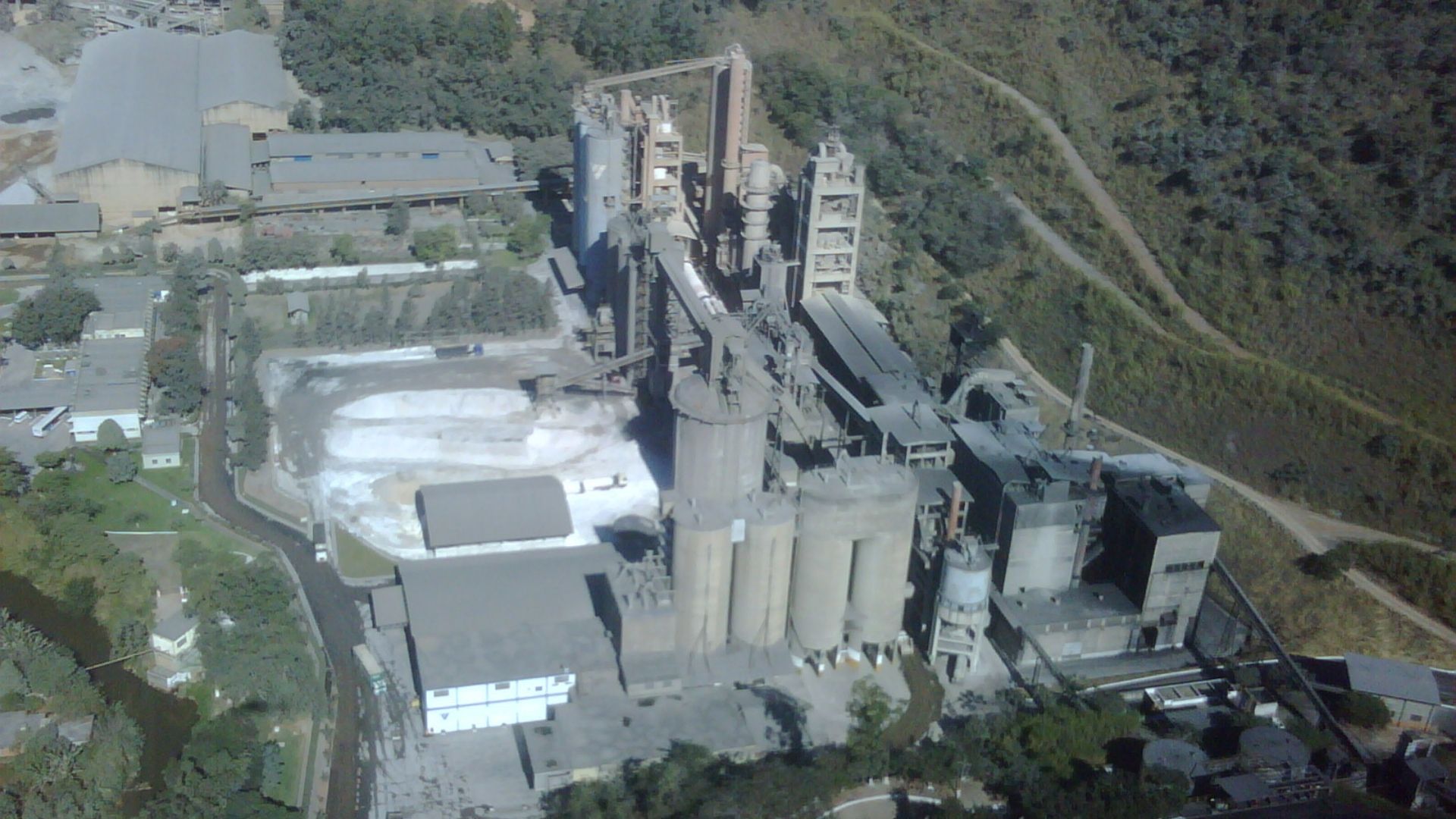
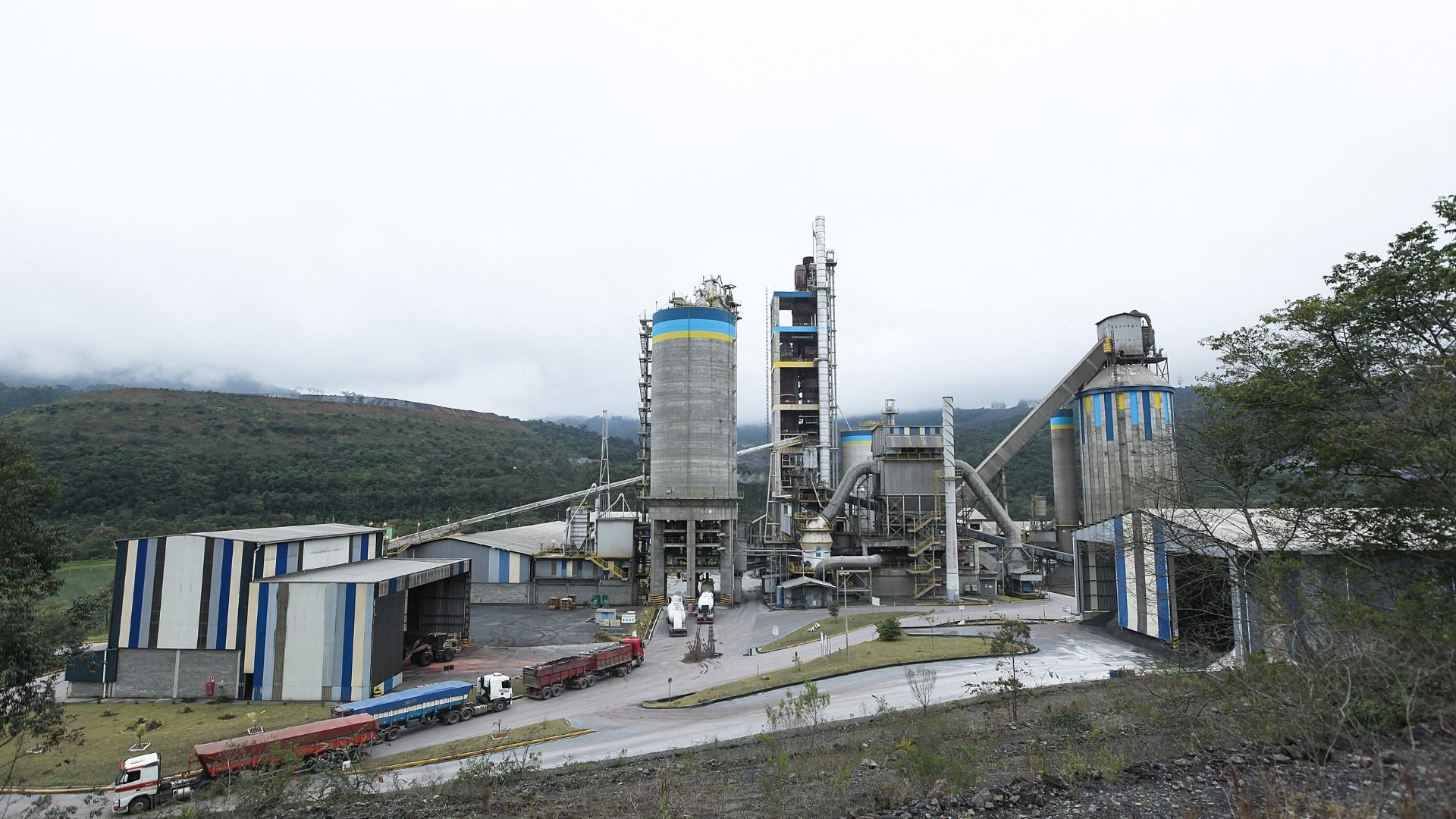
Photo description: Cement plant in Itaú de Minas, Minas Gerais, Brazil
1977

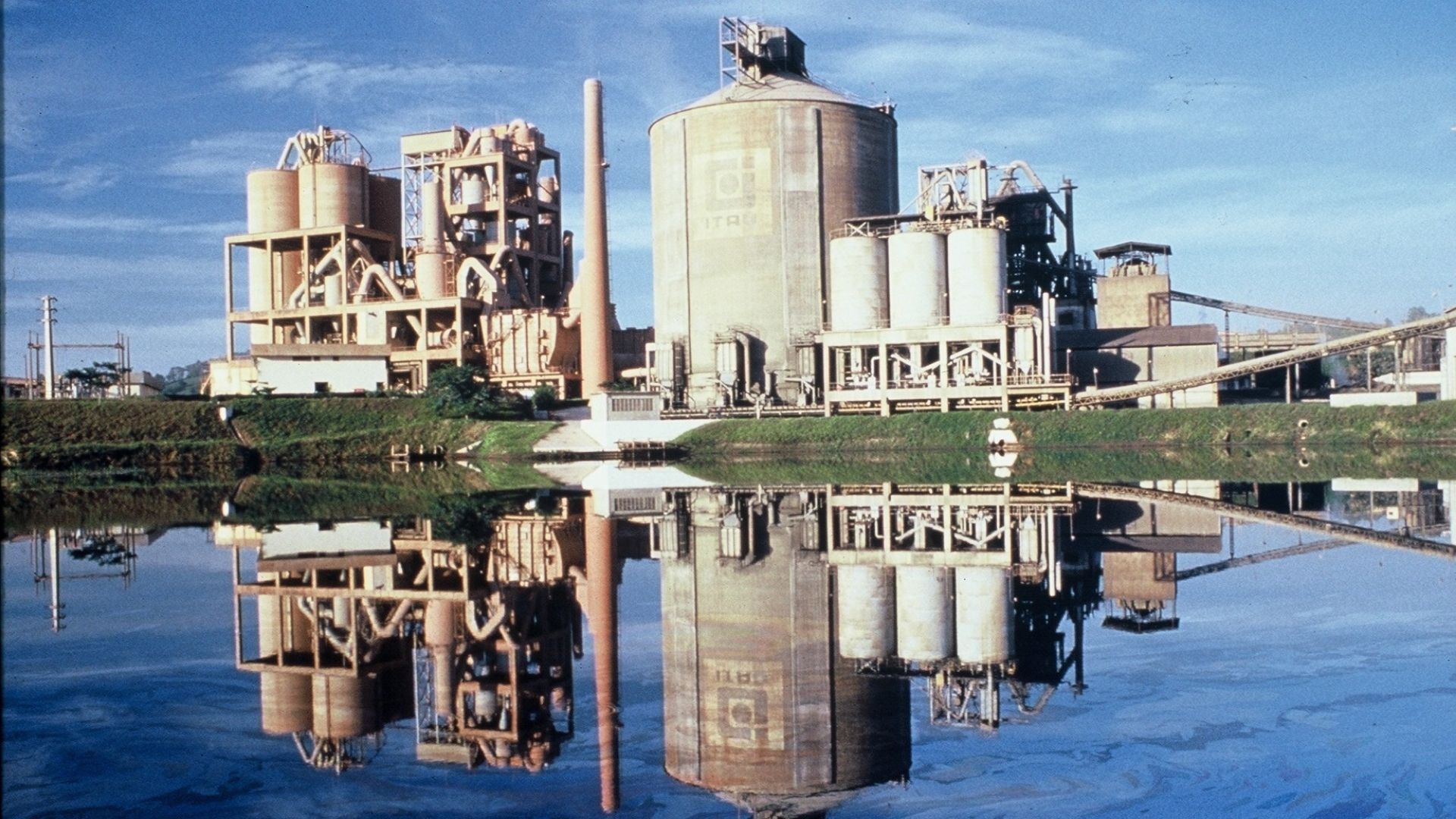
We acquired controlling interest in Companhia de Cimento Portland Itaú and established our leadership in the cement market in Brazil. The deal included cement plants in the towns of Itaperuçu, in the state of Paraná; Salvador, in the state of Bahia; Irajá, in the state of Rio de Janeiro; Nobres, in the state of Mato Grosso; Itaú de Minas, in the state of Minas Gerais; Sobradinho, in the Federal District; and Corumbá, in the state of Mato Grosso do Sul. This acquisition incorporated the brands Itaú Cement, Tocatins Cement and Cal Itaú into our portfolio. Other assets were also part of the deal, including the gypsum plant in Petrolina, in the state of Pernambuco; Brumadinho Mineração (mining), in the state of Rondônia; and the Itaú Fertilizer Company, in the state of São Paulo.

In that same year, we supplied 70% of the cement (equivalent to 35 million bags) used in the construction of the Itaipu Hydroelectric Power Plant in Paraná, Brazil, the largest hydroelectric plant in the world at the time.

1980
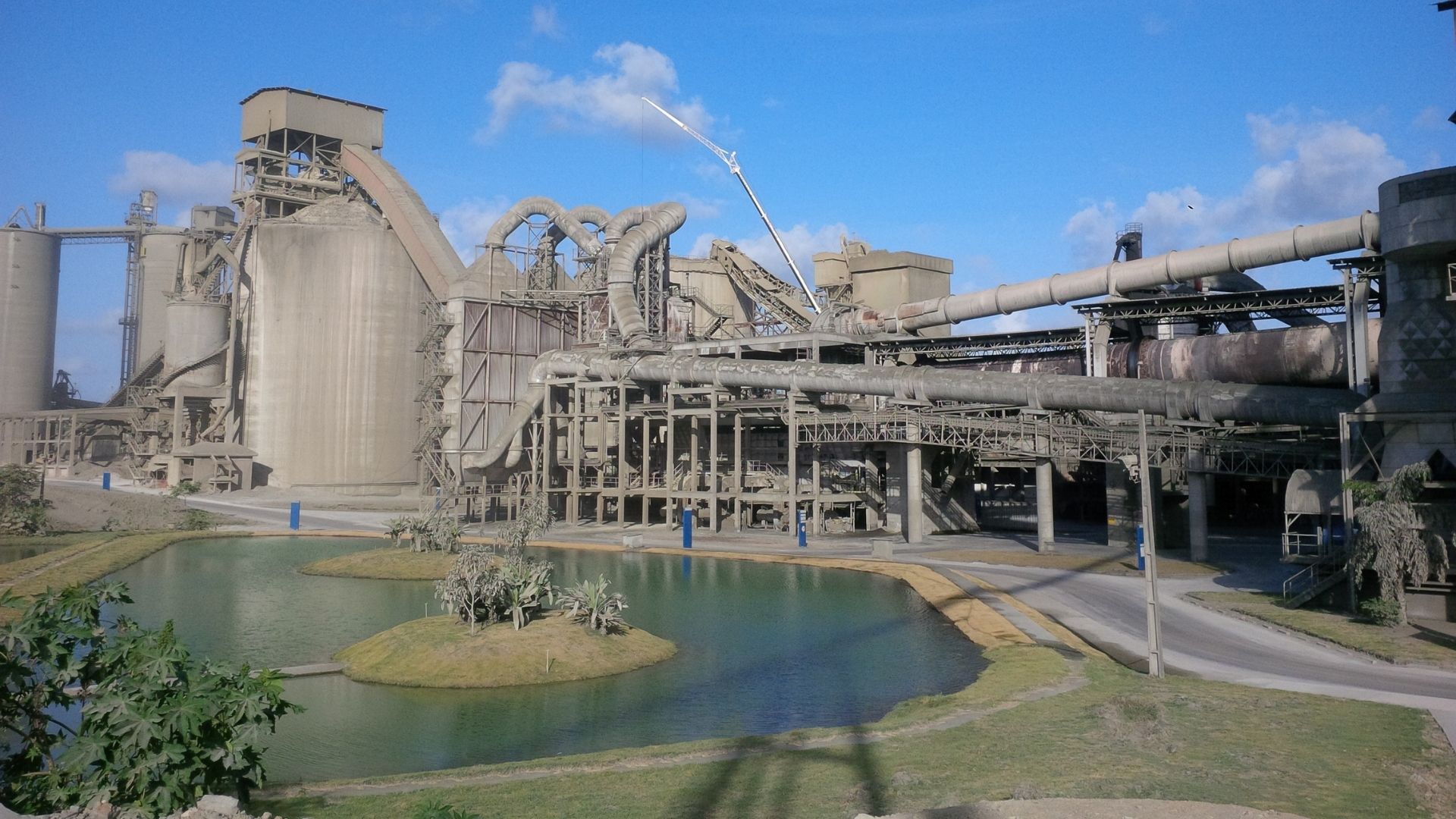
Photo description: Cement plant in Laranjeiras, Sergipe, Brazil
1983

We inaugurated our cement plant in Laranjeiras, in the state of Sergipe, Brazil. 

Photo description: Cement plant in Salto de Pirapora, São Paulo, Brazil
1986

Through a new strategic transaction, we acquired Cimento Santa Rita from the Italian multinational company Ferruzzi. This deal included a cement plant in Salto de Pirapora, in the state of São Paulo, Brazil.

1990
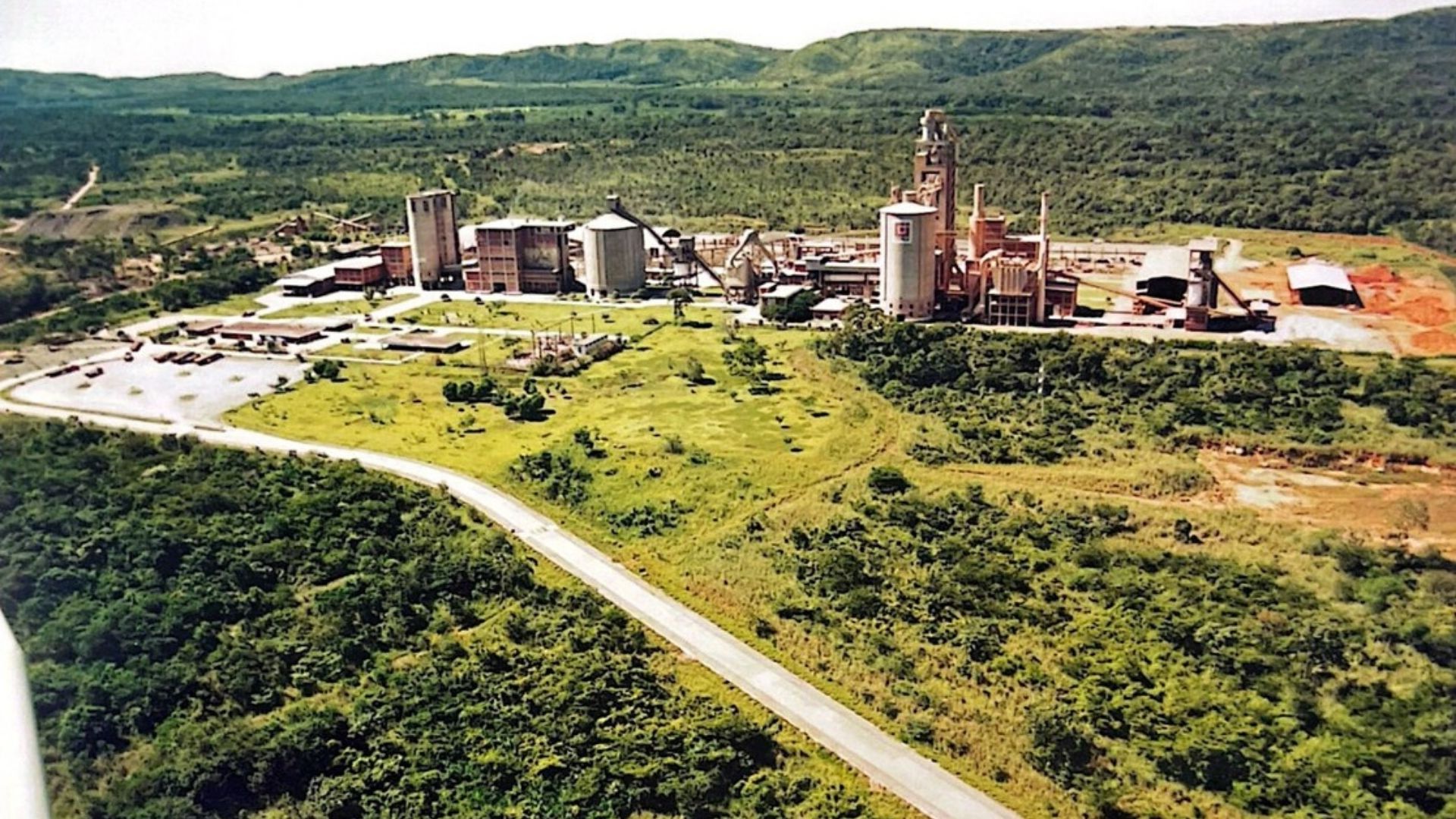
Photo description: Cement plant in Nobres, Mato Grosso, Brazil
1991

We pioneered co-processing technology in Brazil, using non-recyclable waste and biomass to replace fossil fuels in cement kilns. We started using used tires at our cement plant in Rio Branco do Sul, Paraná.

We started operations at our cement plant in Nobres, in the state of Mato Grosso, Brazil.

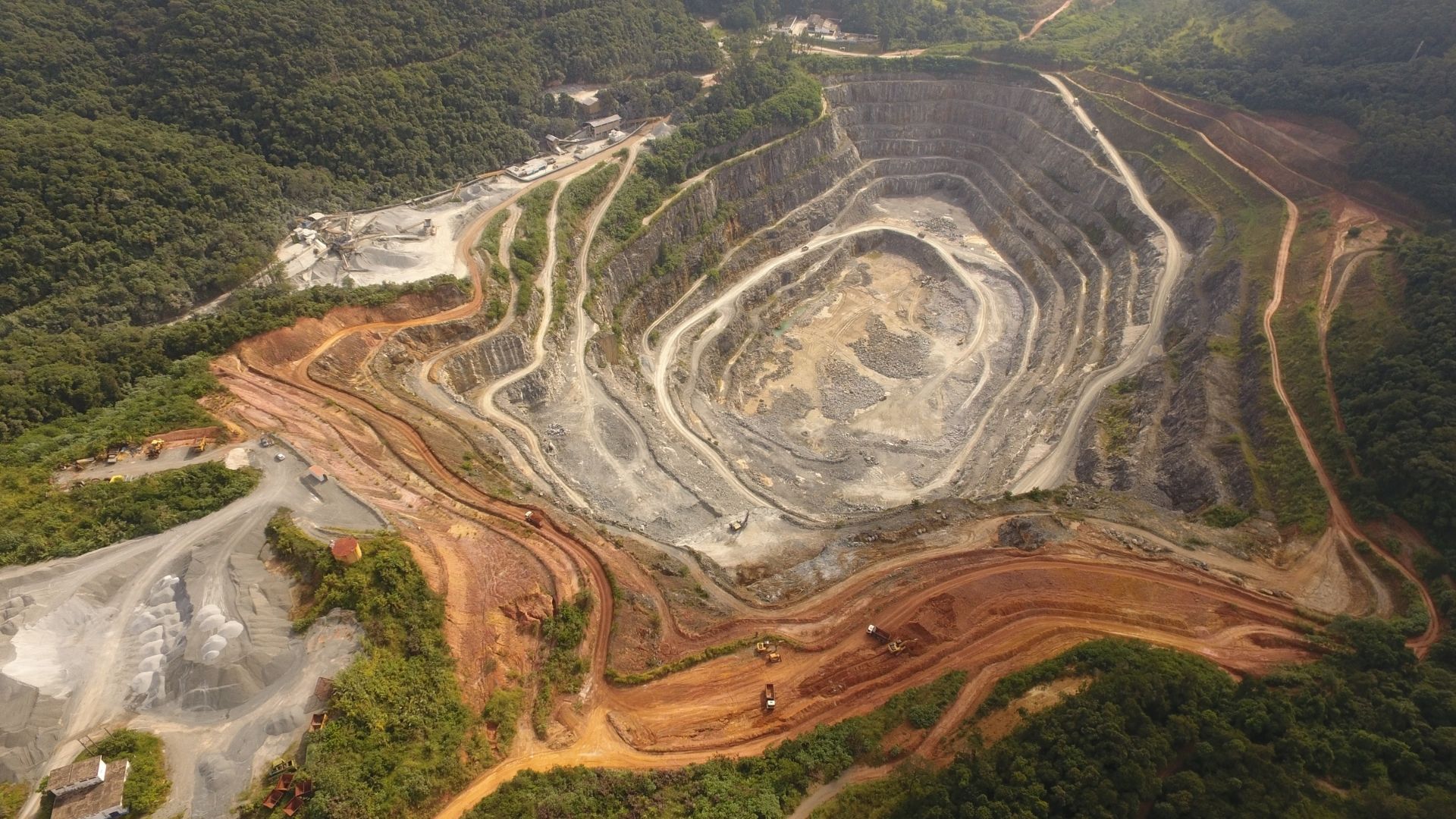
Photo description: Aggregates business in Araçariguama, São Paulo, Brazil
1992

We entered the aggregates business as we repurposed the limestone mine of our old plant in Araçariguama, in the state of São Paulo, Brazil, after the site ceased its cement operation.

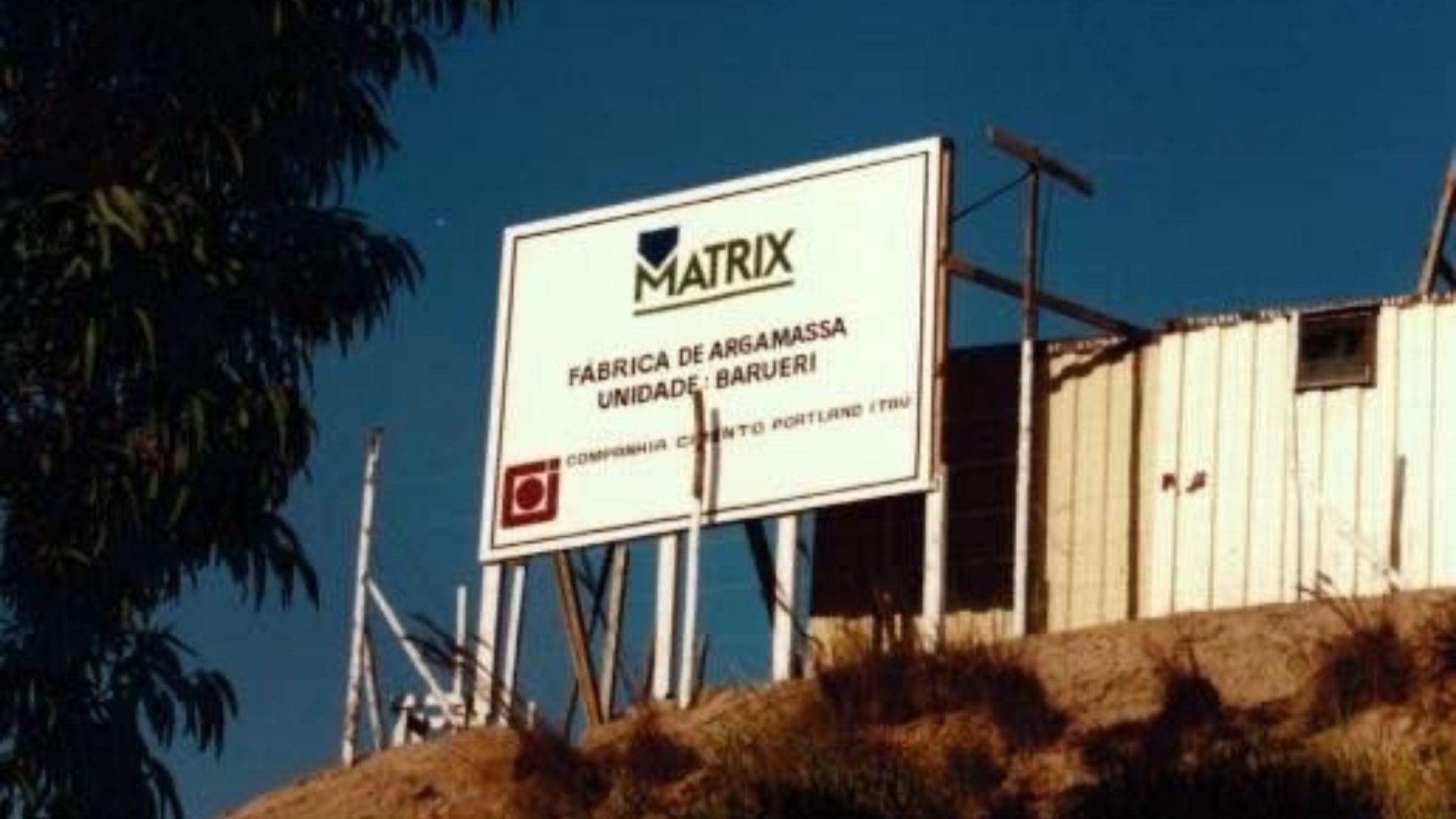
Photo description: Mortar plant in Barueri, São Paulo, Brazil
1996

We began our mortar operation in Brazil with the launch of the Matrix brand and the opening of two plants, one in Barueri, in the state of São Paulo, and another in Rio Branco do Sul, in the state of Paraná.

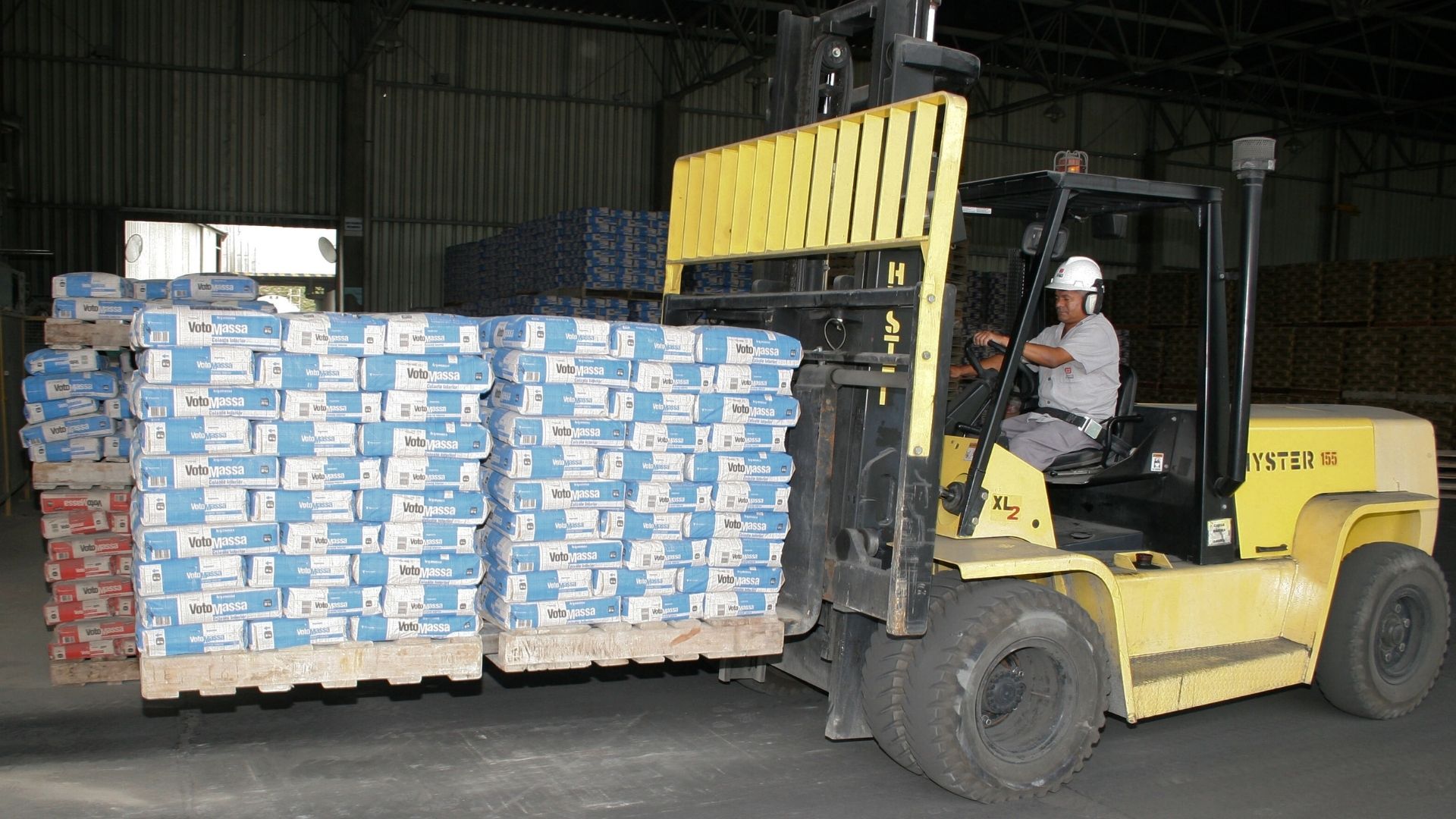
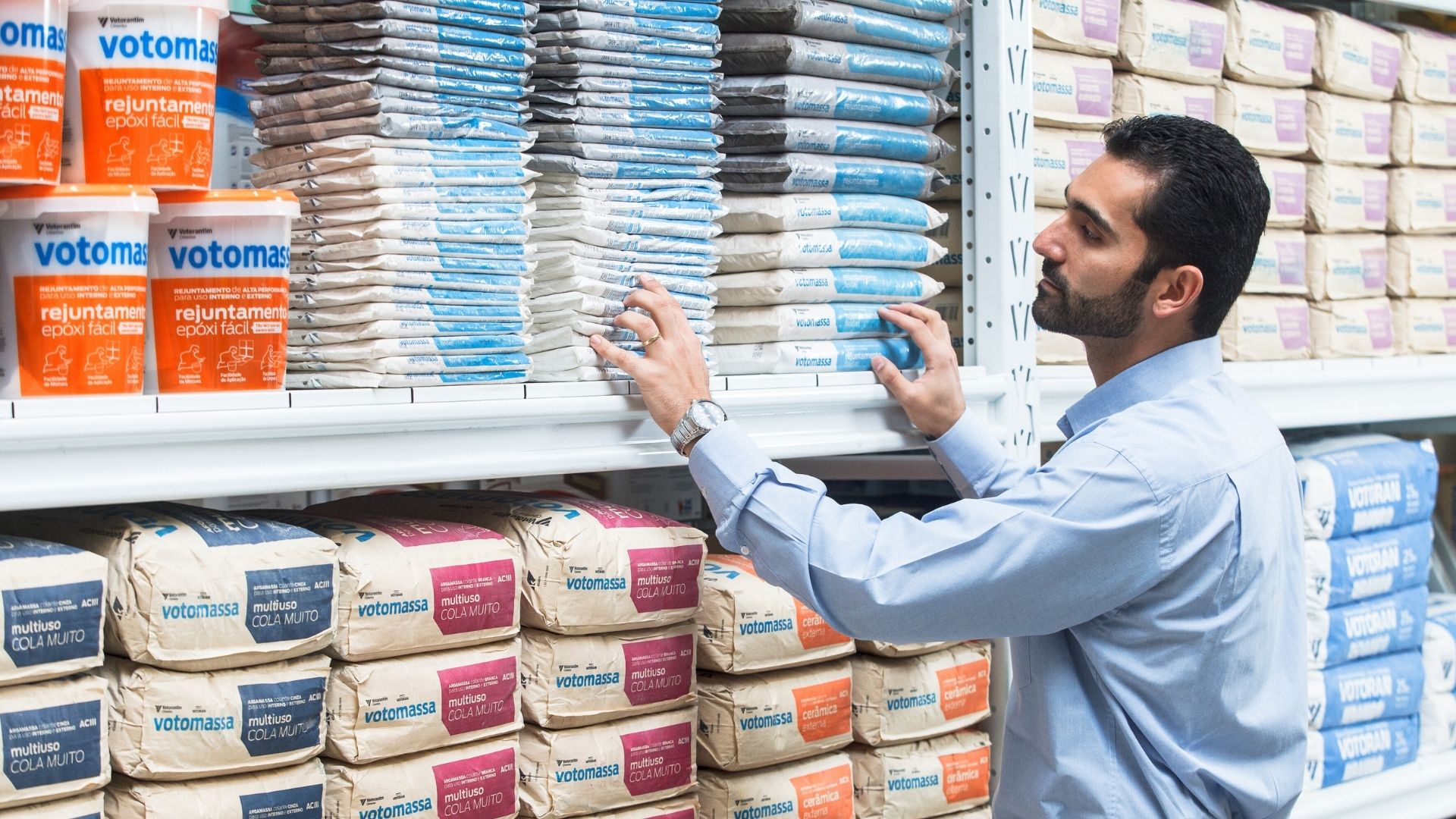
Photo description: Votomassa mortar, Brazil
1998

We launched the Votomassa mortar brand for the sale of products in the Brazilian retail market. 

2000
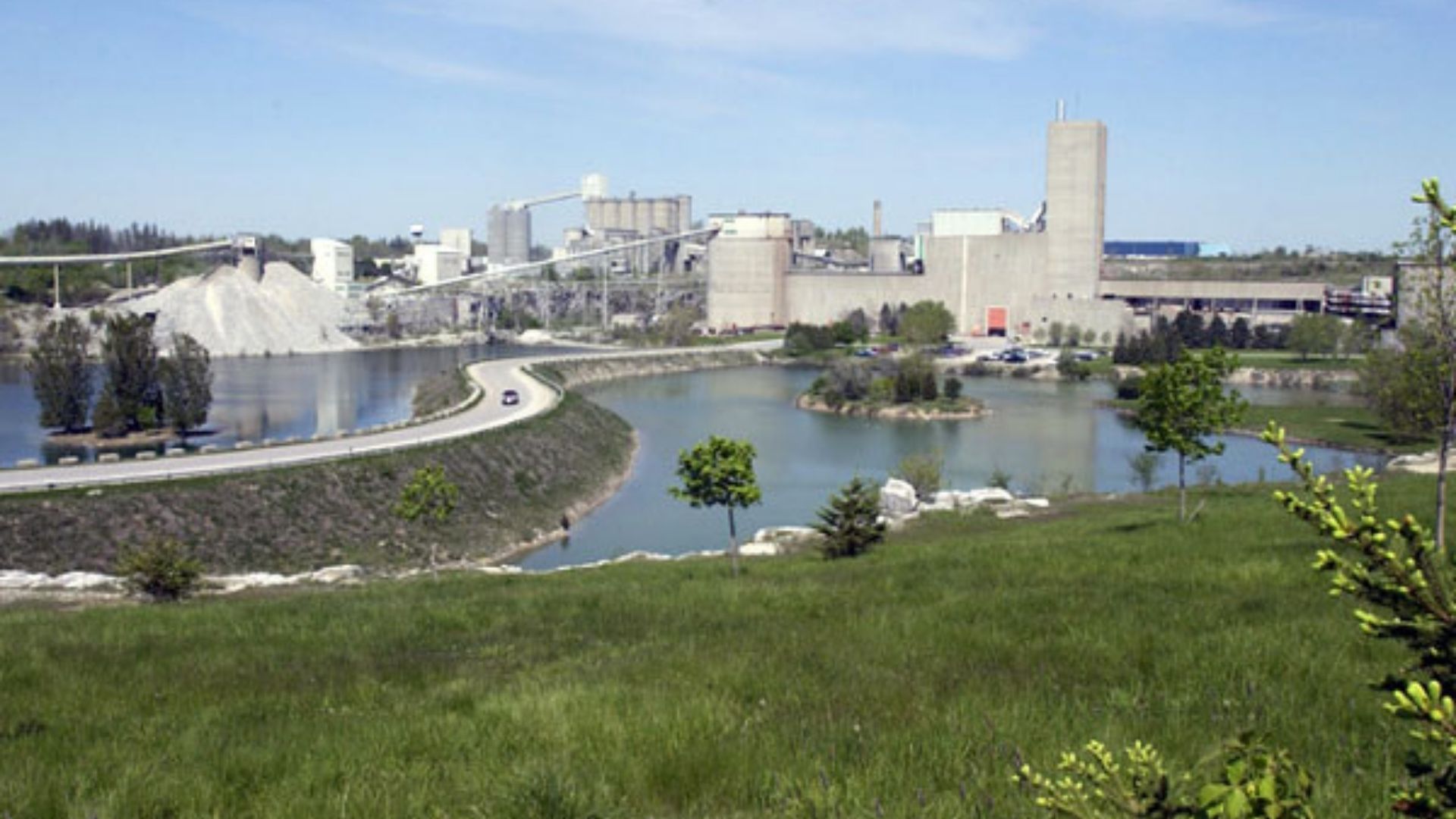
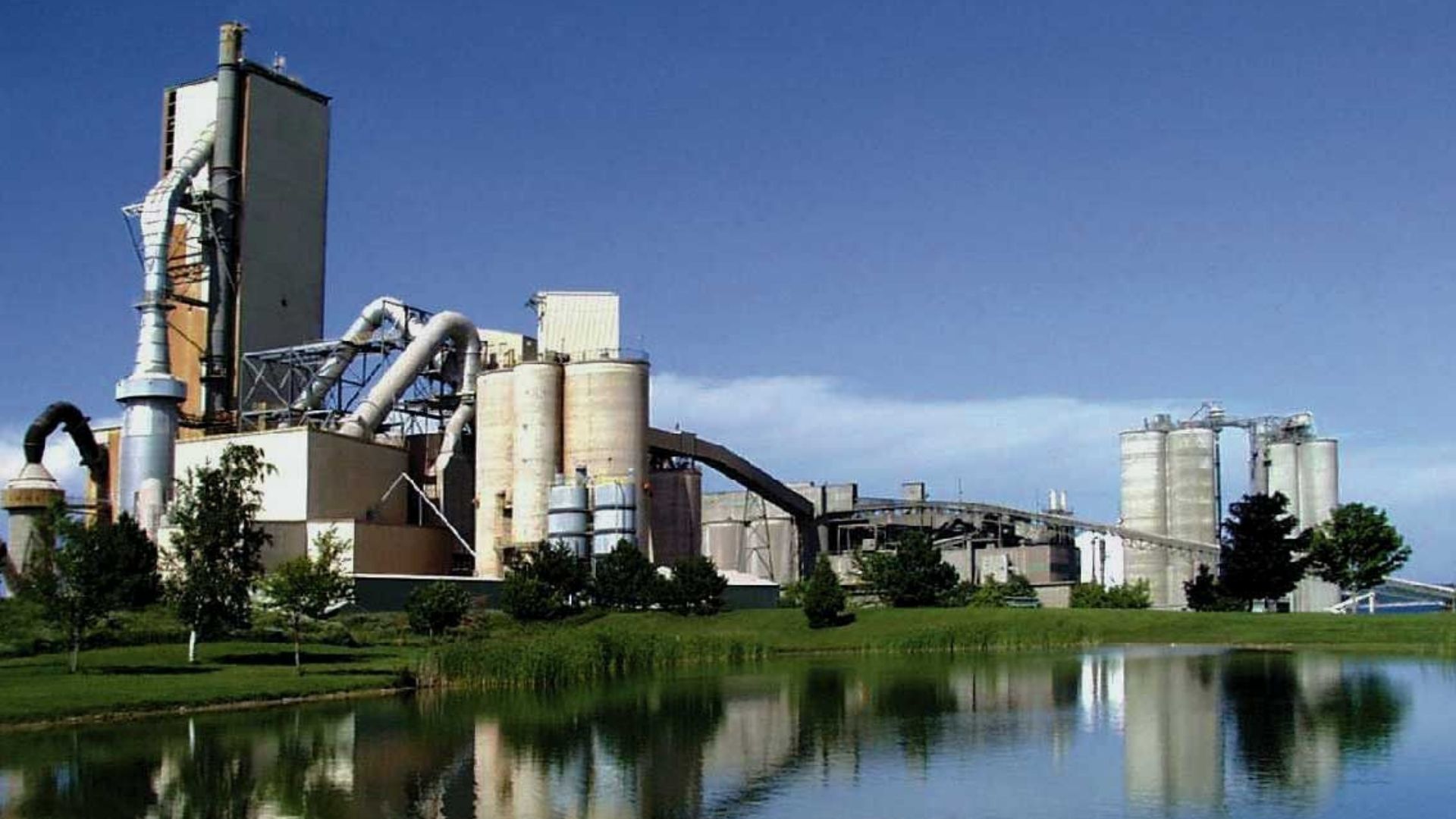
Photo description: St Marys Cement plant, Ontario, Canada
2001

We completed our first international expansion with the acquisition of St Marys Cement and CBM (Canada Building Materials), which has operations in Canada and United States. In Brazil, our installed capacity reached 22 million tonnes of cement per year.

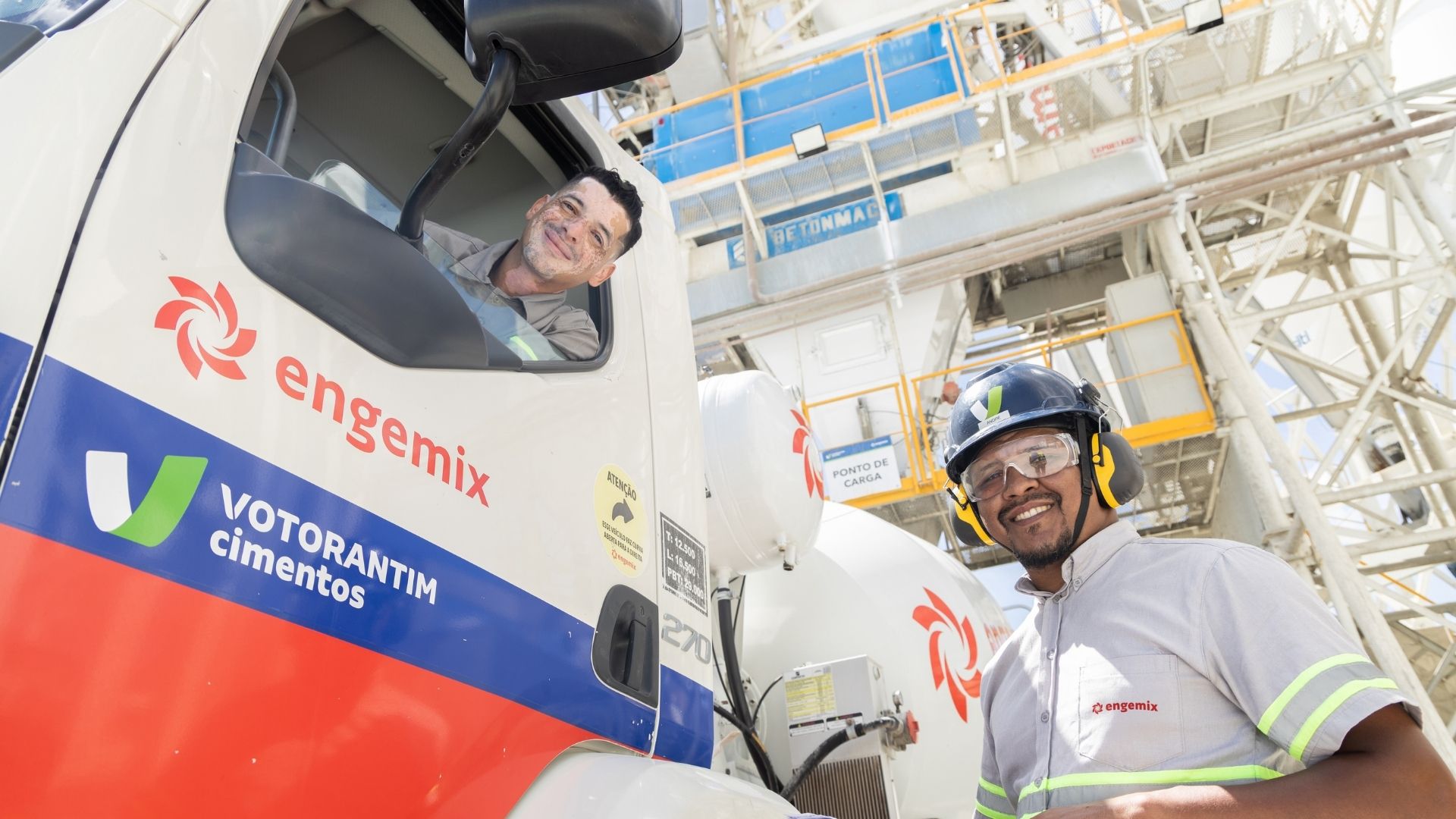
Photo description: Engemix, our concrete business unit, Brazil
2002

We acquired Engemix, which is now our concrete business unit in Brazil, and expanded our portfolio by diversifying our mix of building materials.

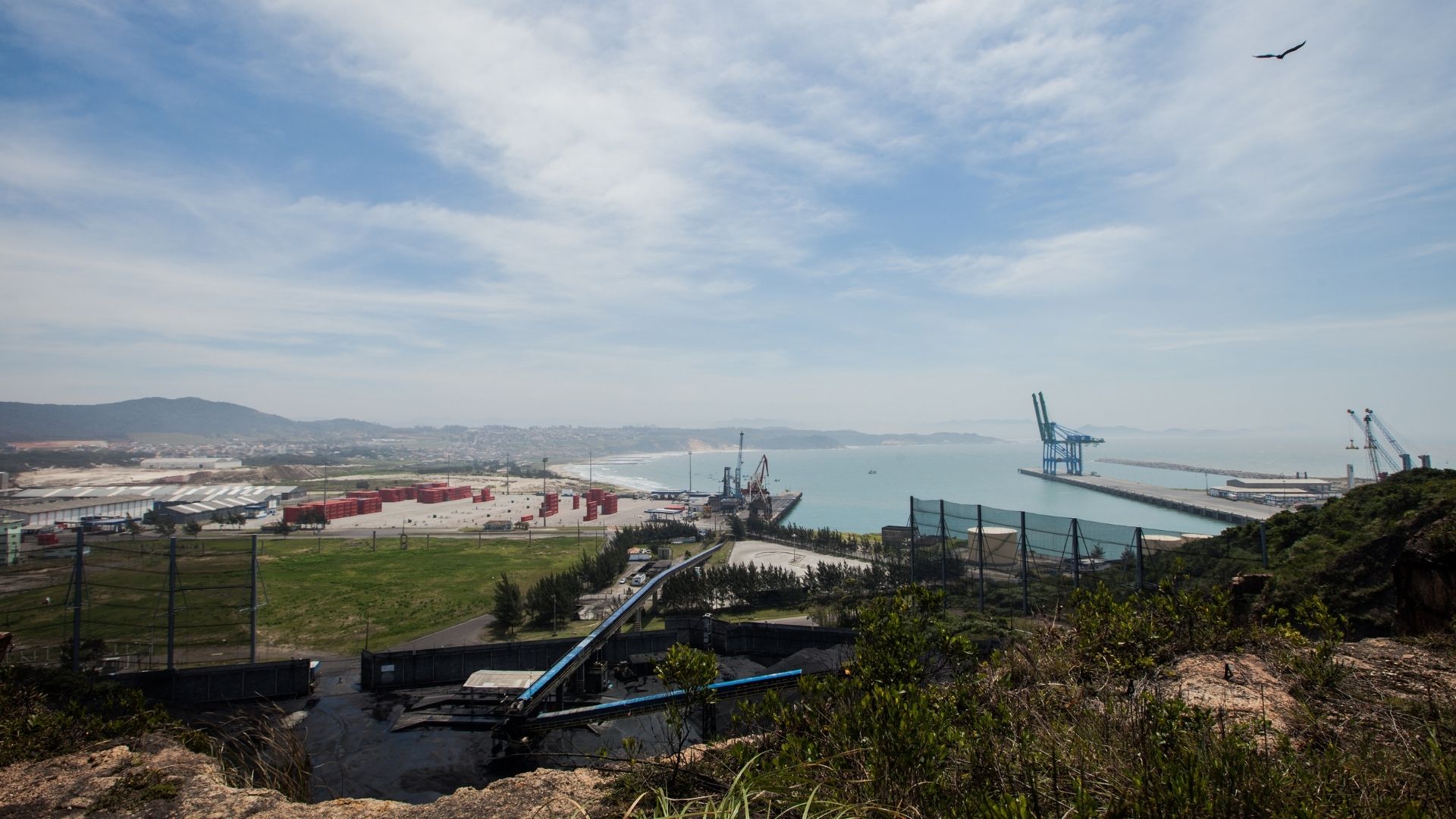
Photo description: Port terminal of Imbituba, Santa Catarina, Brazil
2003

We acquired the Solid Bulk Import and Export Terminal (TIEGS) in the Port of Imbituba, in the state of Santa Catarina, Brazil, to support solid bulk cargo (pet coke) operations. 

Photo description: Charlevoix cement plant, Michigan, United States
2005

We expanded our presence in the United States with the acquisition of two cement plants: one in Charlevoix (Michigan) and another in Dixon (Illinois). 

Photo description: Votomassa grouts, Brazil
2006

We completed the purchase of a cement plant in Ribeirão Grande, in the state of São Paulo, Brazil. In the same year, our Votomassa line grew, as we started selling products in the grout segment. Our grout production was internalized in 2017, with the vertical integration of the Barueri plant, located in the state of São Paulo.

Photo description: Cement plant in Artigas, Uruguay
2007 to 2009

We expanded our presence in Brazil and other South American countries, with operations in Argentina, Bolivia and Uruguay.

In 2008, we started operations at a grinding mill in Pecém, in the state of Ceará, Brazil. We also strengthened our presence in the concrete and aggregates market in the United States with the acquisition of Prairie Materials.

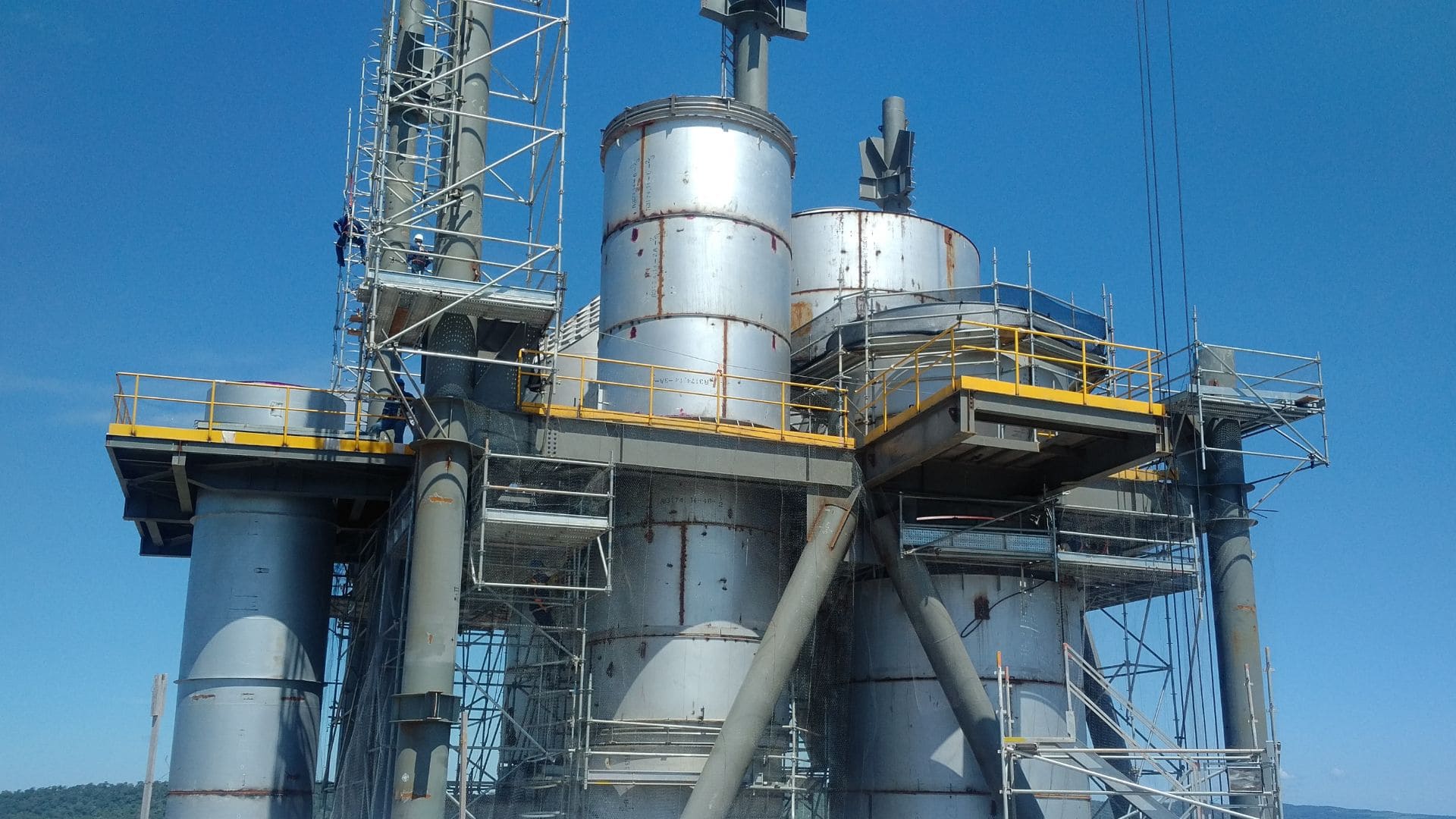
In 2009, we implemented an expansion plan in Brazil that added 10 million tons per year to our installed cement production capacity. As part of this investment, we started operations at our cement plants in Xambioá, in the state of Tocantins, and Porto Velho, in the state of Rondônia. We also began operating our mortar plant in Pecém, in the state of Ceará, and the pozzolan kiln at the Nobres plant, in the state of Mato Grosso.

2010
Photo description: Grinding unit in Santa Cruz, Rio de Janeiro, Brazil
2010

We opened a griding facility in Santa Cruz, in the state of Rio de Janeiro, Brazil. We also started the operation of the pozzolan grinding mill at our plant in Nobres, in the state of Mato Grosso, Brazil, and an aggregate crushing at our planin Seropédica, in the state of Rio de Janeiro, Brazil. 

Photo description: Cement plant in Vidal Ramos, Santa Catarina, Brazil
2011

We opened two new plants in the state of Santa Catarina, Brazil: one in Vidal Ramos and another in Imbituba. We started operations at a griding facility in São Luís, in the state of Maranhão, Brazil, and a new cement production line (W5) at the plant in Salto de Pirapora, in the state of São Paulo, Brazil. We also initiate the operation of the cement grinding and pozzolan grindind mill at our plant in Paulista, in the state of Pernambuco, Brazil.

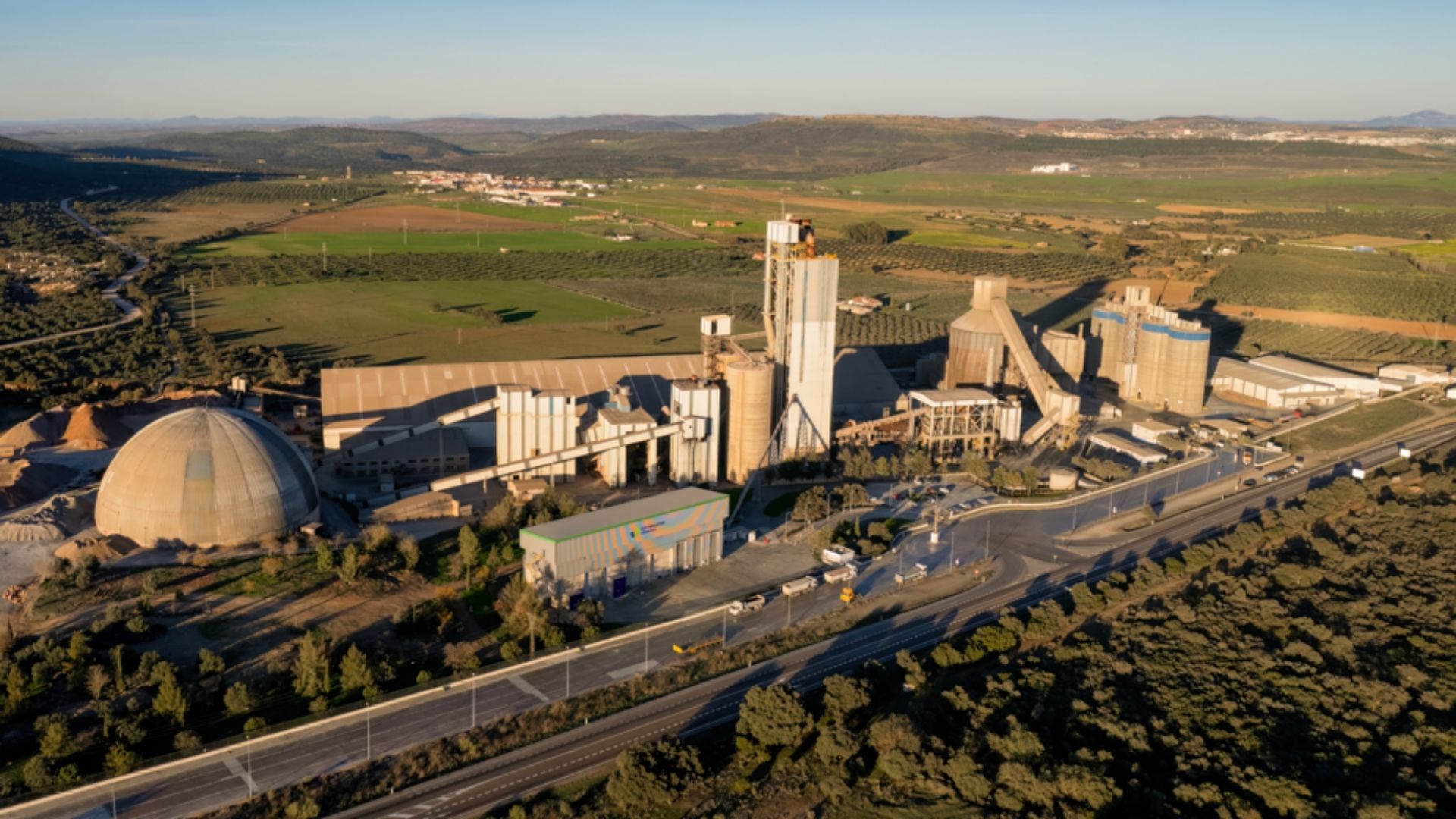
Photo description: Cement plant in Alconera, Spain
2012

We expanded our operations to new markets outside the Americas, to Europe (Spain), Africa (Morocco and Tunisia), and Asia (Türkiye, India and China). In Brazil, we started the operation of a new cement grinding mill (Z3) at our plant in Laranjeiras, in the state of Sergipe.

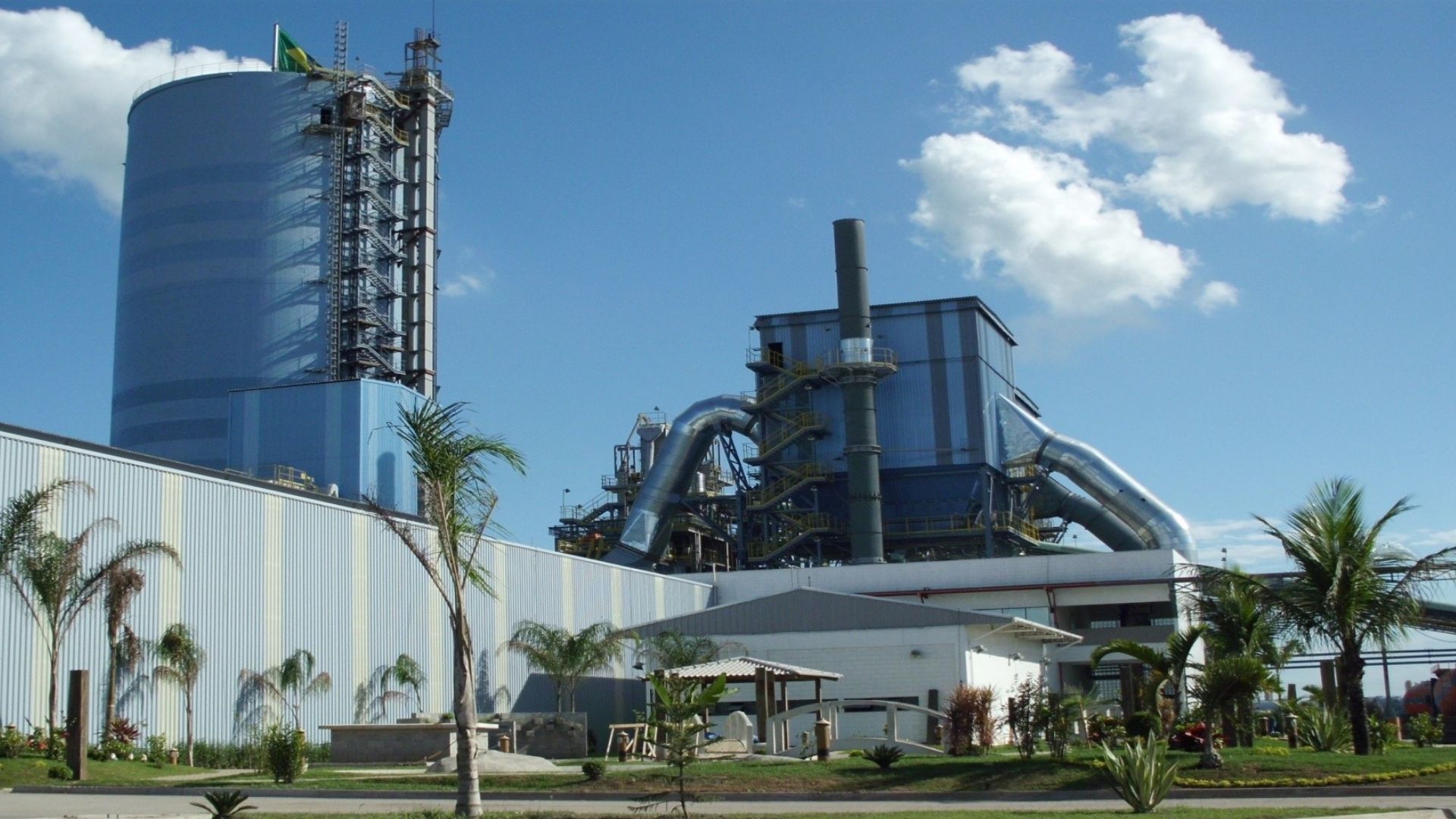
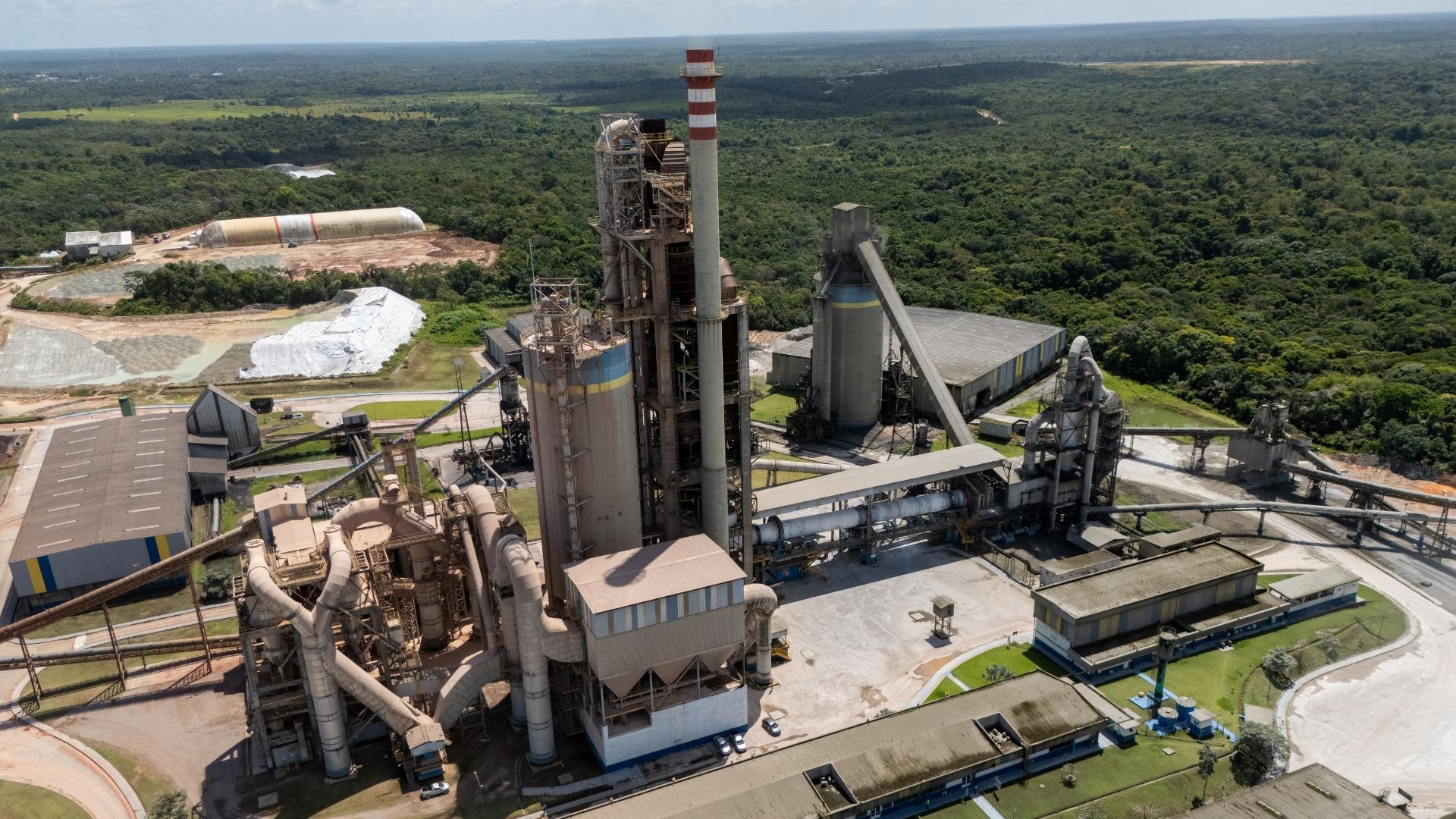
Photo description: Cement plant in Primavera, Pará, Brazil
2013 to 2016

Throughout this period, following our expansion plan in Brazil, we inaugurated cement plants in Cuiabá, in the state of Mato Grosso; Edealina, in the state of Goiás; and Primavera, in the state of Pará.

In 2013, we started a new cement production line at the plant in Rio Branco do Sul, in the state of Paraná, Brazil, and began operating the new cement grinding mill (Z9) at our Santa Helena plant, located in the town of Votorantim, in the interior of the state of São Paulo, Brazil.

In 2014, we started a new cement grinding mill at our plant in Xambioá, in the state of Tocantins, Brazil.

And in 2015, we inaugurated a new mortar production line at our plant in Camaçari, in the state of Bahia, Brazil. Also we suspended production at the cement plant in Ribeirão Grande, in the state of São Paulo, Brazil, shutting down the three kilns of the operation.

Photo description: New cement portfolio, Brazil
2016

In Brazil, we introduced to retailers our new cement portfolio, based on the concept of “a cement for every type of construction project,” expanding the options available to meet the different needs of the construction industry. 

Photo description: Cement plant in Yacuses, Santa Cruz, Bolivia
2017

We inaugurated a new cement plant in Yacuses, in the Santa Cruz department, Bolivia, in partnership with Itacamba Cemento.

We divested our assets in Chile and China and in the states of California and Florida in the United States. This strategic decision aimed at focusing our efforts on markets where we had a significant market share and positive prospects in the medium and long term.

In Brazil, we invested in mobile laboratories to bring our services to our customers.

Photo description: Juntos Somos Mais, our ecosystem of solutions for retail, Brazil
2018

We expanded our Charlevoix plant in the United States and opened Votorantim Cimentos Internacional (VCI), headquartered in Luxembourg. In that same year, we divested our assets in Peru. 

In Brazil, we expanded our commercial operations in Manaus, in the state of Amazonas, with the acquisition of a port terminal in the city to facilitate cement delivery, storage, bagging and sale in the region. 

Together with the companies Tigre and Gerdau, we launched Juntos Somos Mais, an ecosystem of solutions for retail. 

Photo description: Verdera, our sustainable waste management and disposal businesses, Brazil, United States, and Canada
2019

We acquired the concrete company United Materials LLC. in the United States and expanded in San Luis, Argentina. We completed the divestment of assets in India and launched Verdera, our sustainable waste management and disposal businesses unit.

In Brazil, we acquired a mortar plant in Ananindeua, in the state of Pará, and inaugurated a mortar plant in Cuiabá, Mato Grosso.

We received an A score on Climate Change from CDP (Carbon Disclosure Project) in the 2018 disclosure cycle.

2020
Photo description: Viter, our agricultural solutions business, Brazil
2020

We published our 2030 Sustainability Commitments and launched Viter, our agricultural solutions business. We completed the sale of our aggregate crushing operation in Seropédica, in the state of Rio de Janeiro, Brazil.

Photo description: Cementos Balboa plant, Spain
2021

We assumed full control of our joint venture with Superior Materials in Detroit, Michigan (USA). We also acquired the aggregates company Valley View. These transactions expanded our existing concrete and aggregates businesses and boosted our operations to serve customers in the main cities of the Great Lakes Region.

In that same year, we began integrating McInnis Cement Inc., in Canada, into our North American operations.

We also acquired Cementos Balboa in Spain.

In Brazil, we started operations at a new production line at our cement plant in the Pecém Industrial and Port Complex, in the state of Ceará. This expansion increased the plant’s production capacity to approximately 1 million tonnes of cement per year.

We revised our culture and launched Our VC Way. We also introduced the VC 2030 Strategic House, which includes strategic drivers to guide our business through 2030.

Photo description: National campaign, Brazil
2022

Votorantim Cimentos gained a new look. We introduced our new institutional brand, in blue and green, representing the diversity of our people, products and businesses, combining tradition, innovation and a vision of the future.

In that same year, we announced more ambitious targets for reducing our global CO2 emissions as part of our 2030 Sustainability Commitments.

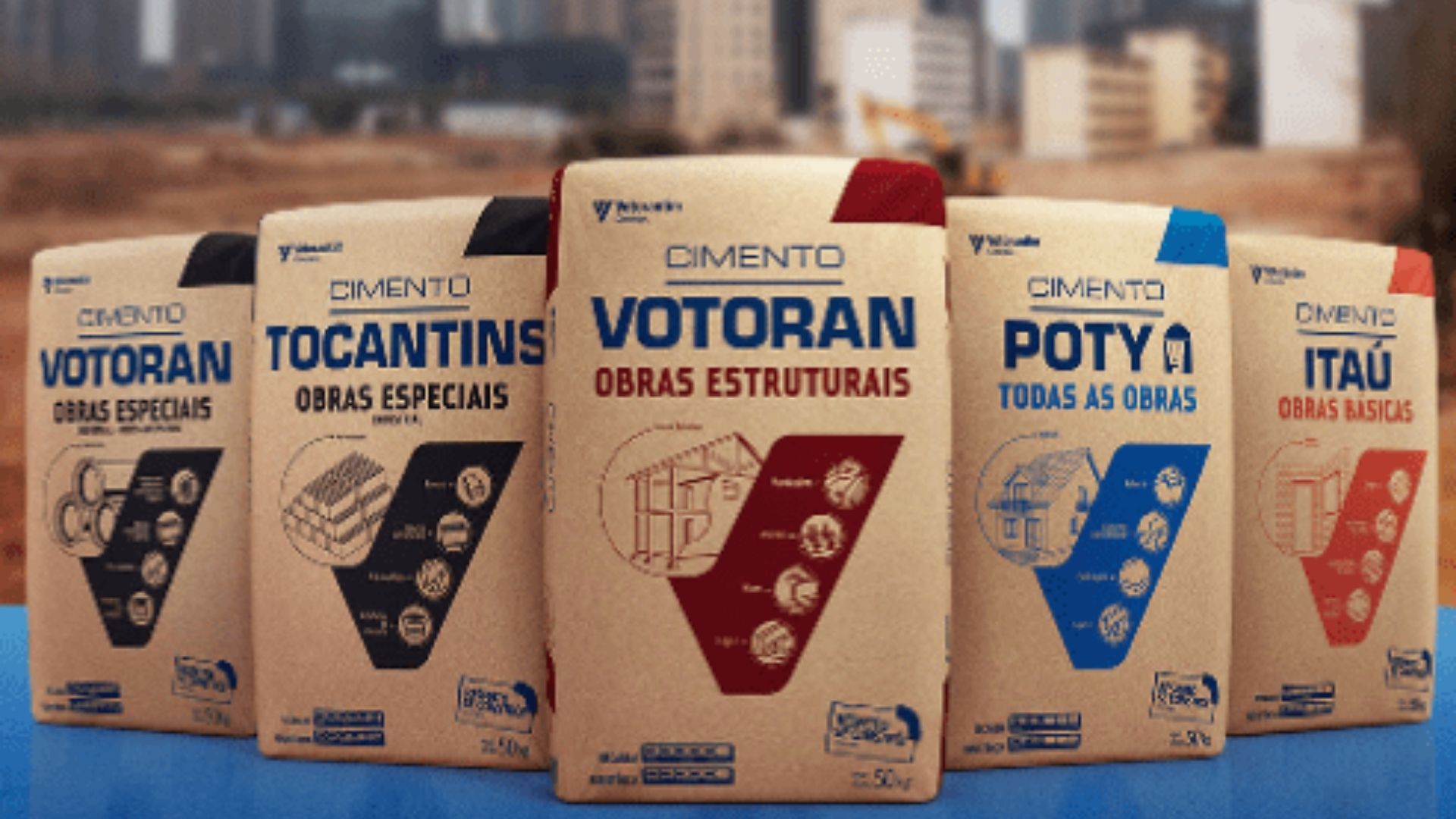
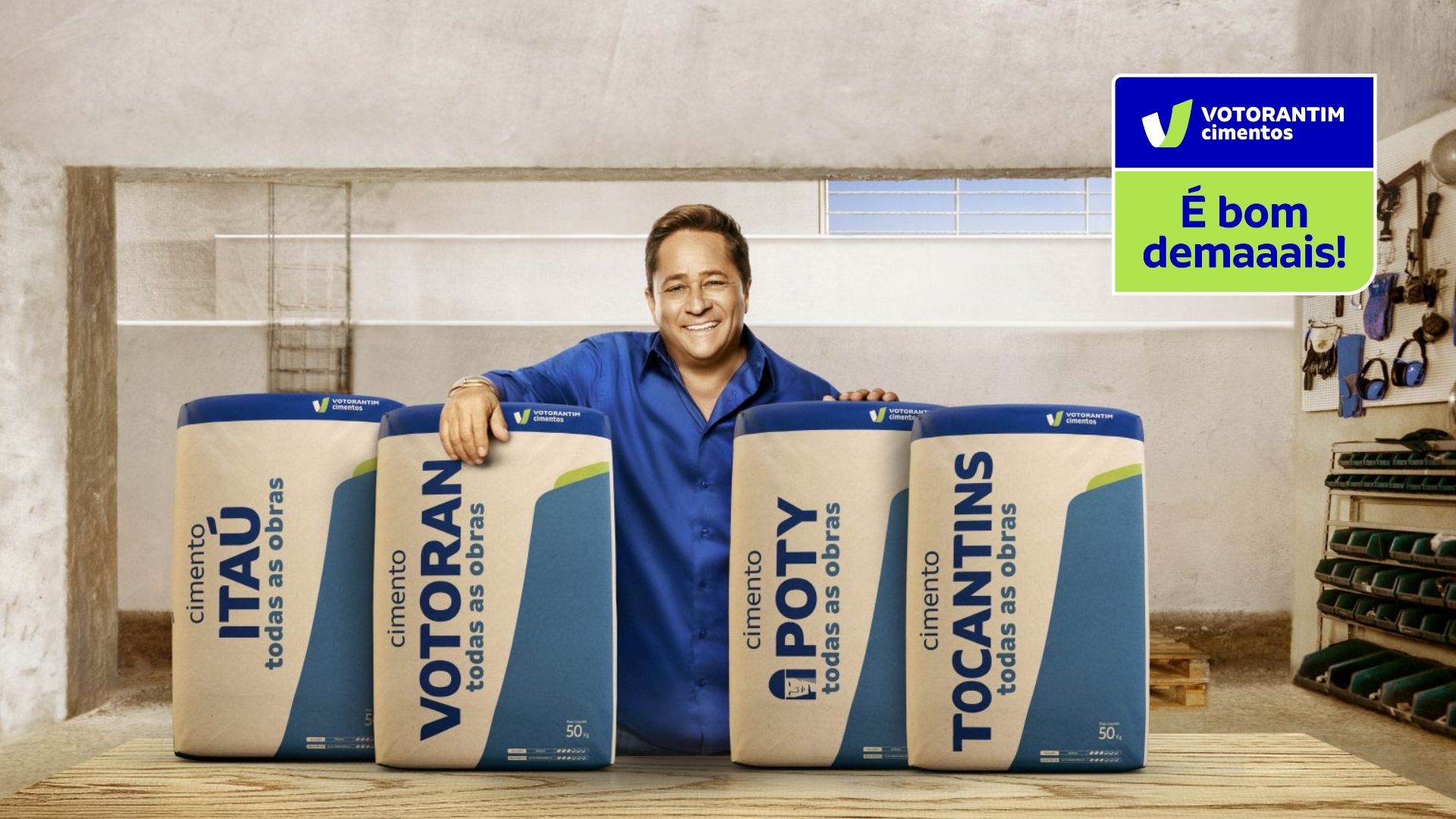
In Brazil, we introduced new packaging for the Votoran, Poty, Itaú and Tocantins Cements. In October, we debuted a national campaign starring Brazilian singer Leonardo, reinforcing the quality of our products. We also launched a new line of liquid additions including the Votomassa SuperFix and Votomassa Imperplus products.

Another milestone was the launch of Motz, our digital transport company that works as a platform to connect independent drivers and shippers, streamlining cargo logistics in Brazil.

Internationally, we expanded our operations in Southern Spain with the acquisition of a modern integrated cement plant, located in Málaga, and aggregate mines and concrete plants in the Andalusia region.

Photo description: Cementos Artigas plant, Minas, Uruguay
2023

We obtained Category A Registration as a publicly-held company with the Brazilian Securities and Exchange Commission (CVM) and became the first company in the country to market cements and concretes with EPD (Environmental Product Declaration) certification. 

We signed a US$150 million financing agreement with the International Finance Corporation (IFC) linked to sustainability indicators. The funds are being invested in the Salto de Pirapora plant, in the state of São Paulo, Brazil, to increase the rate of thermal substitution and reduce CO2 emissions. The project is scheduled to be completed in 2028. 

In Brazil, we launched a line of polymer mortars including the products Votomassa Impermax 1000 and Votomassa Impermax 7000. 

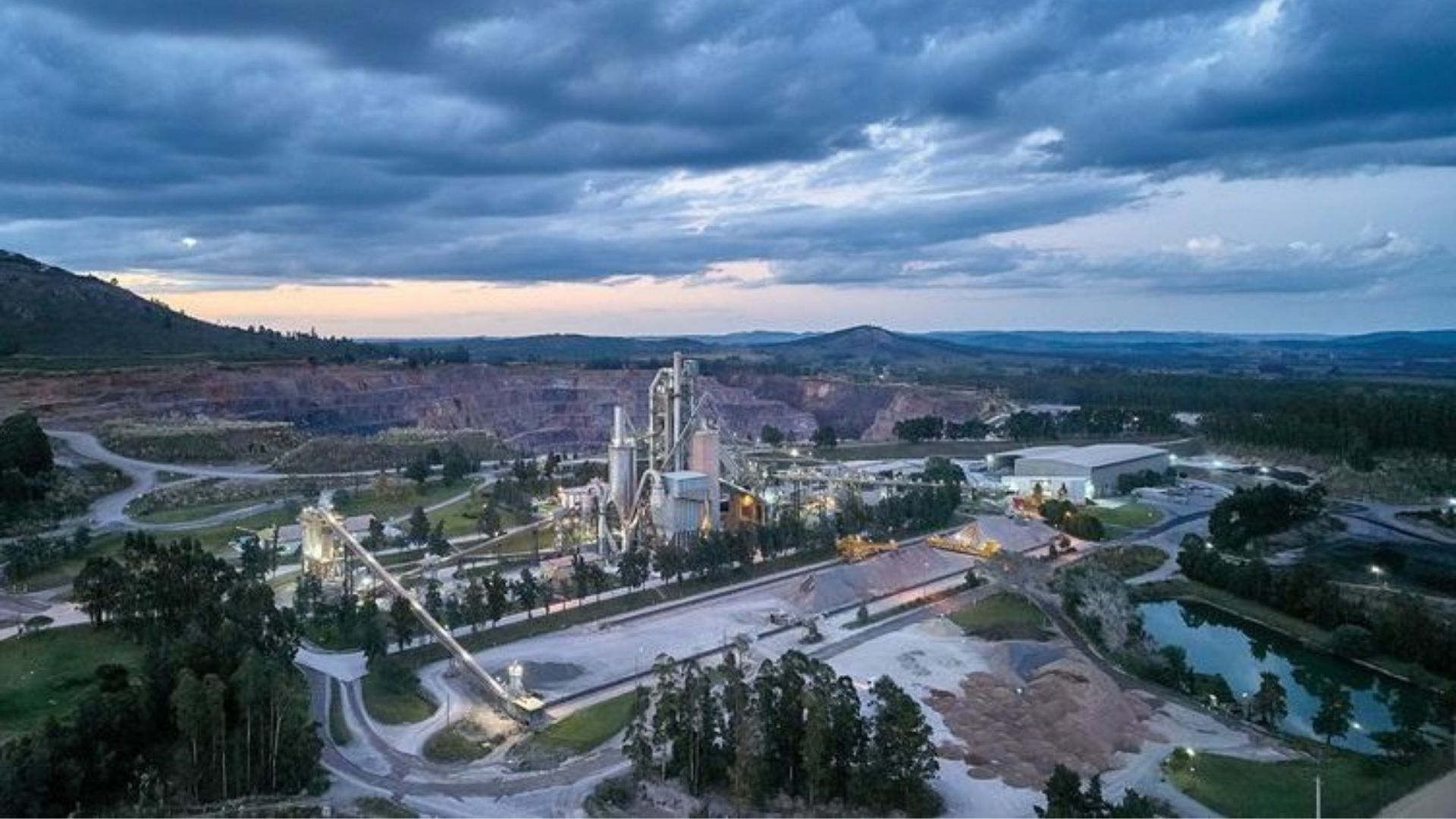
Cementos Artigas, a partnership between Votorantim Cimentos and the Spanish company Cementos Molins, started its new cement grinding and shipping operations in the city of Minas, Uruguay. 

We expanded our concrete operations in the United States with the acquisition of Best Concrete & Supply, in Michigan, and a stake in Grundy County Redi-Mix, in Illinois. 

In Spain, we started a carbon capture pilot project and integrated the Málaga plant into our Asia and Europe operations. 

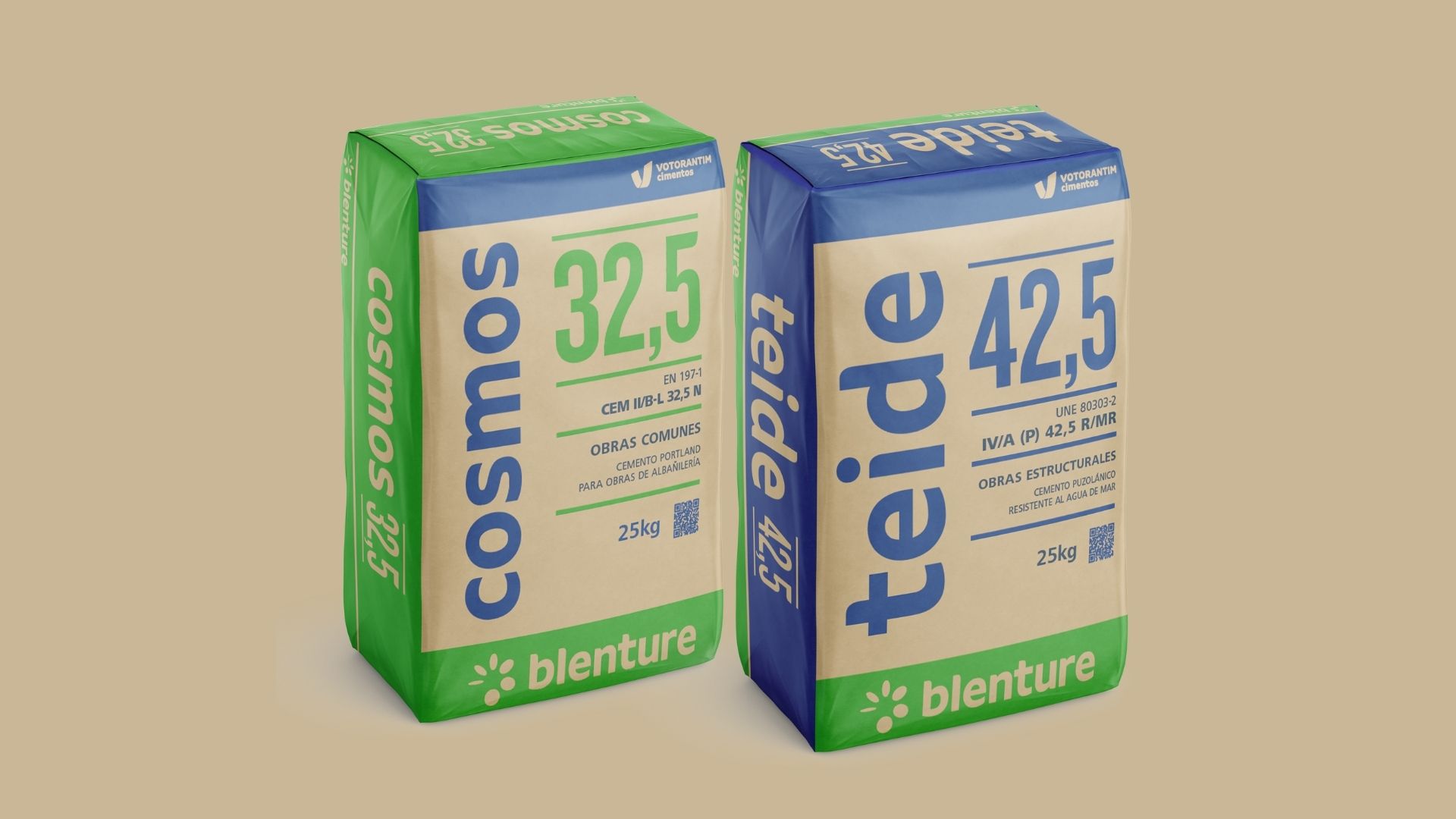
Photo description: Blenture product brand, Spain
2024

We announced a R$5 billion investment plan for expansions, modernizations, logistics and new businesses in Brazil in the period between 2024 and 2028.

We launched Blenture, a brand of products with a smaller carbon footprint, in Spain.

In Brazil, we opened our first plant dedicated to the operations of Viter and Verdera, in Itaperuçu, in the state of Paraná, reinforcing our circular economy strategy. We announced an increase in the production capacity of our plant in Edealina, in the state of Goiás, to 2 million tonnes of cement per year. In addition, we also started a new production line at our plant in Camaçari, in the state of Bahia, which increased the production capacity of Votomassa and Matrix mortars.

We ended 2024 with an integrated network of 91 distribution centers in all countries where we operate, with 57 in Brazil, 21 in North America (Canada and United States), nine in Asia and Europe (Turkey and Spain), and four in South America (Argentina, Bolivia and Uruguay).

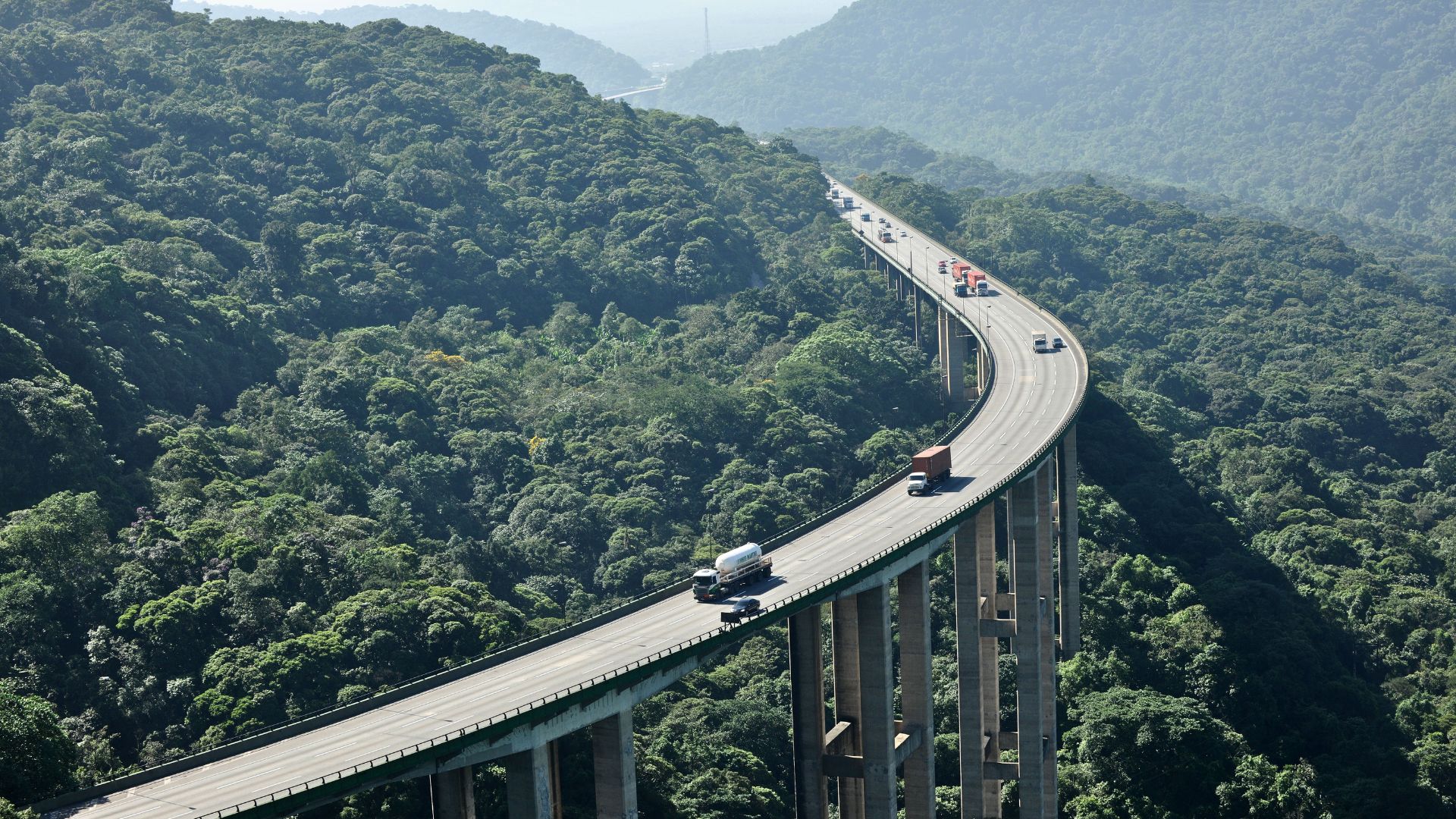
Photo description: Highway Imigrantes, São Paulo, Brazil
2025

We completed the sale of our assets in Morocco and Tunisia.

In the United States, we expanded our concrete and aggregates supply capacity in Illinois with the acquisition of Rogers Ready-Mix & Materials. In the same state, we further strengthened our concrete operations with the incorporation of Wester Sand & Gravel, in partnership with Grundy County Redi-Mix.

We developed a cement for highways that reduces the time required for the repair of road concrete slabs from five days to five hours, enabling traffic on the roads to resume quickly and safely. The solution was pioneered in Brazil on the Anchieta-Imigrantes Highway System, in the state of São Paulo.

We advanced the implementation of our R$5 billion investment plan for expansions, modernizations, logistics and new businesses in Brazil in the period between 2024 and 2028. As a result, we started operating a new cement mill at our Salto de Pirapora plant, in the state of São Paulo, Brazil, adding 1 million tonnes per year to the plant’s installed capacity.

As part of this plan, we also announced investments in the state of Mato Grosso, Brazil, with expansions and modernizations of our plants located in the towns of Nobres and Cuiabá. The Nobres plant will have a new cement grinding facility, which will increase the factory’s production capacity by 60%, from 750,000 tonnes to 1.2 million tonnes of cement per year.

The R$5 billion investment plan also included the expansion of our mortar plant in Cajamar, São Paulo, Brazil, with the start of operations at a new line dedicated to the production of bulk mortars.

Sources: Memória Votorantim and the book “Votorantim 90 Years: A History of Work and Overcoming Challenges”, by Jorge Caldeira.